

Aging Does Not Necessarily Mean Decline: Yale Study Shows Many Older Adults Improve Over Time


FIFTIERS | Life Begins at 50. La vida comienza a…
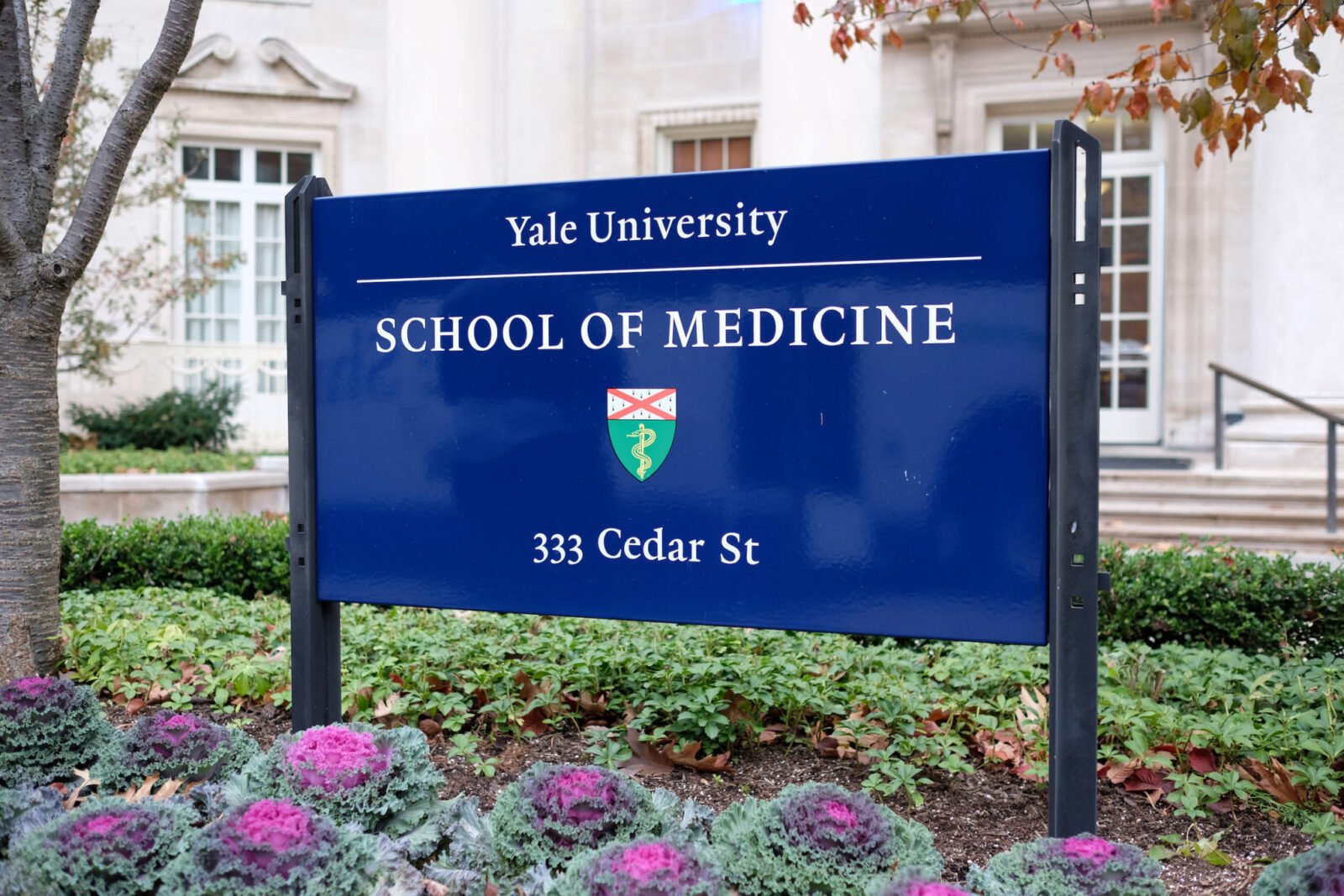
For decades, aging has been widely viewed as an unavoidable process of progressive physical and cognitive decline. However, a new study led by researchers at the Yale School of Medicine challenges this long-standing assumption and offers a far more optimistic perspective on growing older. After following thousands of adults over the age of 65 for more than a decade, the researchers concluded that aging is not a linear journey toward deterioration. On the contrary, a substantial proportion of participants maintained—and in many cases even improved—their physical and cognitive abilities over time, demonstrating that the quality of aging depends far more on modifiable factors than previously believed.
The longitudinal study tracked older adults for twelve years, evaluating multiple dimensions of healthy aging, including mobility, physical function, cognitive performance, emotional well-being, and the ability to perform everyday activities independently. The findings surprised even the researchers. While biological aging inevitably brings physiological changes, these changes do not occur at the same pace in every individual, nor do they necessarily result in a continuous loss of health or independence.
One of the study’s most encouraging findings was that a large proportion of participants maintained remarkably stable levels of functional independence throughout the follow-up period. Even more striking, another group experienced measurable improvements in mobility, balance, physical strength, and certain aspects of cognitive performance. These results suggest that the human body retains a far greater capacity for adaptation and resilience in later life than traditional medical thinking has often assumed.
The researchers identified several lifestyle factors consistently associated with healthier aging. Regular physical activity—particularly strength training, balance exercises, and aerobic fitness—emerged as one of the strongest predictors of long-term independence. Equally important were a balanced diet, high-quality sleep, active social engagement, strong personal relationships, lifelong intellectual stimulation, and maintaining a clear sense of purpose. None of these factors alone guarantees exceptional longevity, but together they appear to substantially increase the likelihood of remaining healthy and independent well into older age.
Perhaps the most intriguing finding concerns how individuals perceive their own aging. Participants who viewed growing older as a positive stage of life consistently achieved better physical and cognitive outcomes than those who associated aging primarily with illness, disability, or decline. While the relationship between mindset and health is complex and influenced by many variables, the findings reinforce previous research suggesting that positive attitudes toward aging encourage healthier behaviors, reduce chronic stress, improve resilience, and increase adherence to preventive healthcare.
This shift in understanding is also transforming healthcare policy around the world. For much of the twentieth century, success in public health was measured largely by increases in life expectancy. Today, the objective has evolved. The priority is no longer simply helping people live longer, but enabling them to live more years in good health, maintaining independence, mobility, and quality of life for as long as possible. This concept, known as healthspan, has become one of the central goals of longevity medicine and geroscience.
The distinction between lifespan and healthspan is now considered one of the greatest demographic challenges of the twenty-first century. Although people in developed countries continue to live longer than previous generations, many still spend their final years coping with chronic illness, disability, or loss of independence. The emerging field of geroscience seeks to compress this period of frailty by delaying the onset of age-related diseases and extending the years during which individuals remain active, productive, and self-sufficient.
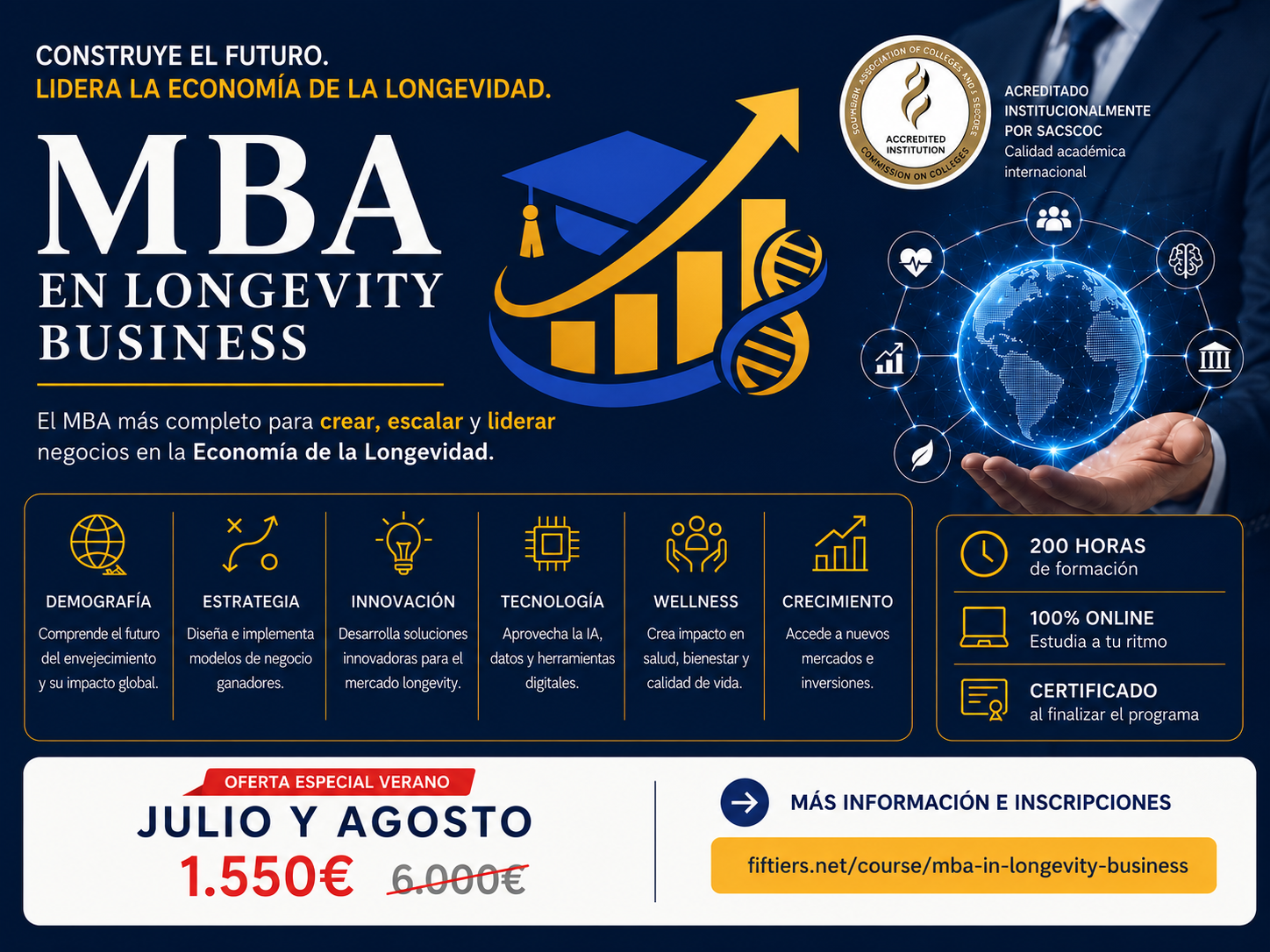
The implications extend far beyond medicine. As larger numbers of older adults remain healthy and financially secure, they are reshaping entire sectors of the global economy. Tourism, education, wellness, technology, housing, financial services, luxury goods, and lifelong learning are all experiencing profound changes driven by a new generation of older consumers who wish to remain active, continue working, travel extensively, pursue new experiences, and invest in their long-term health. This demographic transformation lies at the heart of what economists increasingly describe as the Longevity Economy, one of the fastest-growing economic opportunities of the coming decades.
For businesses, the study reinforces the need to abandon outdated assumptions about aging. Today’s older adults bear little resemblance to the stereotypes traditionally associated with retirement. They are increasingly digitally connected, financially independent, health-conscious, and eager to continue participating in society. Their growing demand for preventive healthcare, personalized nutrition, fitness, wellness, education, experiential travel, and health technologies is driving innovation across multiple industries.
From a scientific perspective, the study delivers an equally important message: aging is neither entirely predetermined by genetics nor an irreversible downward trajectory. While chronological age remains an important biological factor, lifestyle choices, social environments, mental well-being, preventive healthcare, and access to medical innovation can profoundly influence how individuals age. In other words, people do not all age in the same way, and a considerable part of how healthy someone is at 70, 80, or even 90 years old is shaped by decisions made decades earlier.
As the global population ages at an unprecedented rate, studies like this are helping to redefine what growing older truly means. Aging should no longer be viewed solely as a period of inevitable decline, but increasingly as a stage of life that can remain active, healthy, and fulfilling. Modern science is demonstrating that reaching advanced ages while preserving independence, vitality, and quality of life is becoming an increasingly realistic goal. For millions of people—and for the companies shaping the future of the Longevity Economy—this represents one of the most encouraging developments in recent years.
Discover more from FIFTIERS
Subscribe to get the latest posts sent to your email.
What's Your Reaction?