





Robots are not replacing caregivers: they may be helping nursing homes hire more people and provide better care

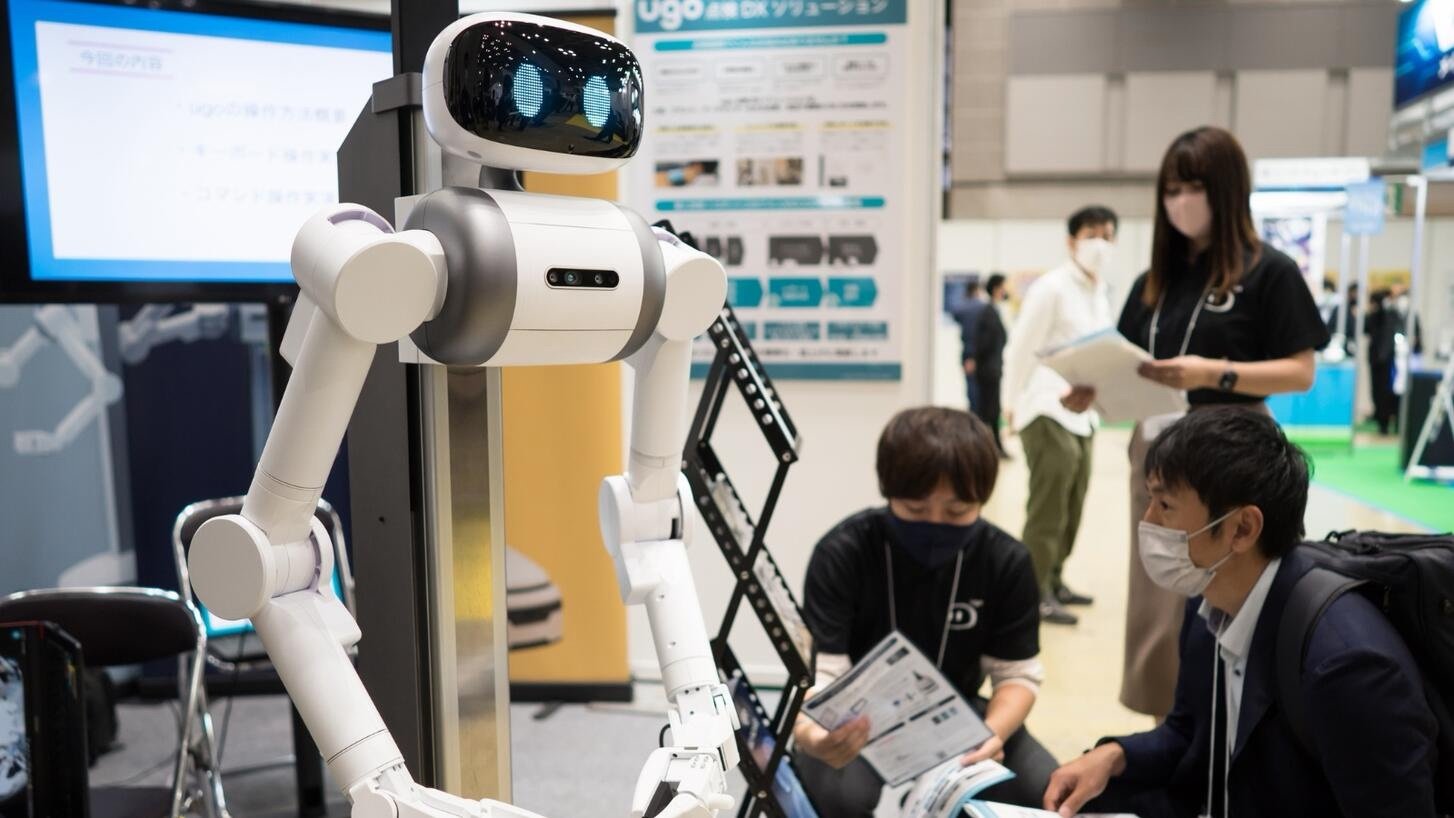

One of the most interesting studies at the intersection of artificial intelligence, robotics and longevity has produced an apparently counterintuitive result: introducing robots into nursing homes may increase human employment rather than reduce it. Researchers linked to Stanford have analysed data from approximately 860 Japanese nursing homes to examine what happens when operators introduce mobility, monitoring and communication technologies. Japan provides an exceptional environment for this research. Roughly three in ten residents are aged 65 or over, and the country has been confronting a difficult combination of population ageing, low fertility and care-worker shortages for years. The Japanese government has consequently used subsidies to encourage technology adoption in long-term care. By exploiting regional differences in those incentives, researchers have been able to examine the relationship between robotics and employment more carefully than through a simple comparison between technology-enabled and conventional facilities. The findings are striking: robot adoption was associated with fewer staff-retention difficulties and estimated increases of approximately 28% in care workers, 39% in nursing staff and around 26% in total employment, with much of the increase concentrated in more flexible forms of work.
The results challenge the simplistic narrative of “robot versus worker”. The fundamental economic problem in long-term care is not an excess of professionals; it is precisely the opposite. Ageing societies will require increasing numbers of people capable of supporting populations in their 80s and 90s while the relative supply of younger workers declines. Technology can help solve this equation in several ways. Mobility robots can assist with lifting and transferring residents, reducing the substantial physical burden placed on caregivers; monitoring technologies can supervise selected situations without requiring continuous physical presence; interactive systems can support communication and activities; and automation can absorb repetitive tasks. If employees finish their shifts less physically exhausted, retention may improve. If nurses spend less time on routine work, they can concentrate on clinical activities. And if technology reduces the time required for repetitive checks, organisations can dedicate more human attention to the moments when it creates the greatest value.
The real longevity challenge will be care productivity
The scale of the demographic challenge explains why these findings matter. Global ageing is creating demand for care that cannot realistically be solved through recruitment alone. The United States, Europe, Japan, South Korea and China all face pressure on healthcare and long-term-care workforces during the coming decades. At the same time, care remains physically and emotionally demanding. Moving people with limited mobility several times a day, conducting night rounds, documenting incidents and supporting multiple residents simultaneously contributes to injuries, burnout and turnover. Every employee who leaves must be replaced and trained, increasing costs while reducing continuity of care. The relevant metric should therefore not be “How many jobs can this robot eliminate?” but rather “How many higher-value human hours can this technology release?”
The business mathematics can be powerful. If a technology saves only 20 minutes per shift across 500 employees, it releases more than 166 hours of workforce capacity every day. Over a year, that can translate into tens of thousands of hours available for conversation, mobilisation, prevention, rehabilitation or clinical attention. If the same technology also reduces injuries and turnover, the return becomes even greater. This helps explain why automation can ultimately support employment growth: a more productive operator can care for more residents, expand services and grow, eventually requiring more people.
AI and robotics could become infrastructure for senior living
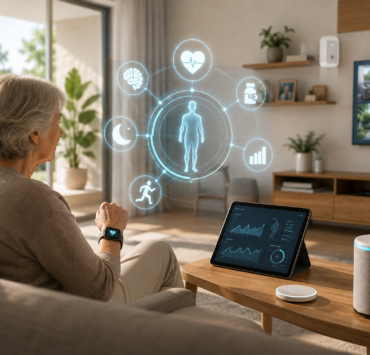
Robotics represents only one component of the transformation. Generative and predictive AI can support clinical documentation, reporting, workforce scheduling, incident management and family communication. Sensors can identify movement patterns and potential falls. Algorithms can identify residents at elevated risk of hospitalisation or deterioration. Exoskeletons and assistive devices can reduce physical strain. Together, these technologies can create a model of Augmented Care, in which technology expands the capabilities of professionals rather than attempting to remove them.
This should also change the investment logic of senior living operators. Technology has traditionally been assessed as a cost: the price of sensors, robots or software licences. The analysis should increasingly focus on hours released, turnover reduced, workplace injuries avoided, hospitalisations prevented, additional capacity created and resident satisfaction. A system costing hundreds of thousands of dollars may be highly attractive if it releases the productive equivalent of several employees while simultaneously improving retention and quality.
Human interaction may become even more valuable
There is a paradox that could define the future of care: the more technology organisations deploy, the more valuable genuine human interaction may become. Older people do not simply need someone to record their blood pressure or verify medication. They need conversation, empathy, trust, companionship and professionals capable of interpreting complex situations. These are precisely the activities that are hardest to automate and can provide the greatest differentiation for premium operators.
Robots can move, monitor, transport and remind. AI can document, predict and organise. But the human relationship will remain central to care. The opportunity is to remove from professional workloads everything that does not necessarily require a person, allowing more time for everything that does.
The Japanese evidence therefore offers a lesson much larger than robotics itself. In the Longevity Economy, technology and human employment do not necessarily compete. They can reinforce one another. In a world that will require millions of additional hours of care, the winners may not be companies attempting to replace caregivers, but those that make every caregiver more productive, less exhausted and capable of providing more human care.
Prepare to lead the longevity economy
Artificial intelligence, robotics, AgeTech and the transformation of care are creating entirely new business models around increasingly long lives. The MBA in Longevity Business by FIFTIERS prepares executives and entrepreneurs to understand these changes and build strategies for the emerging Longevity Economy.
Discover more from FIFTIERS
Subscribe to get the latest posts sent to your email.
What's Your Reaction?