


China drives a new nutrition market designed for mature consumers: longevity is transforming the food industry


The 50+ consumer is becoming a strategic category for the global food industry
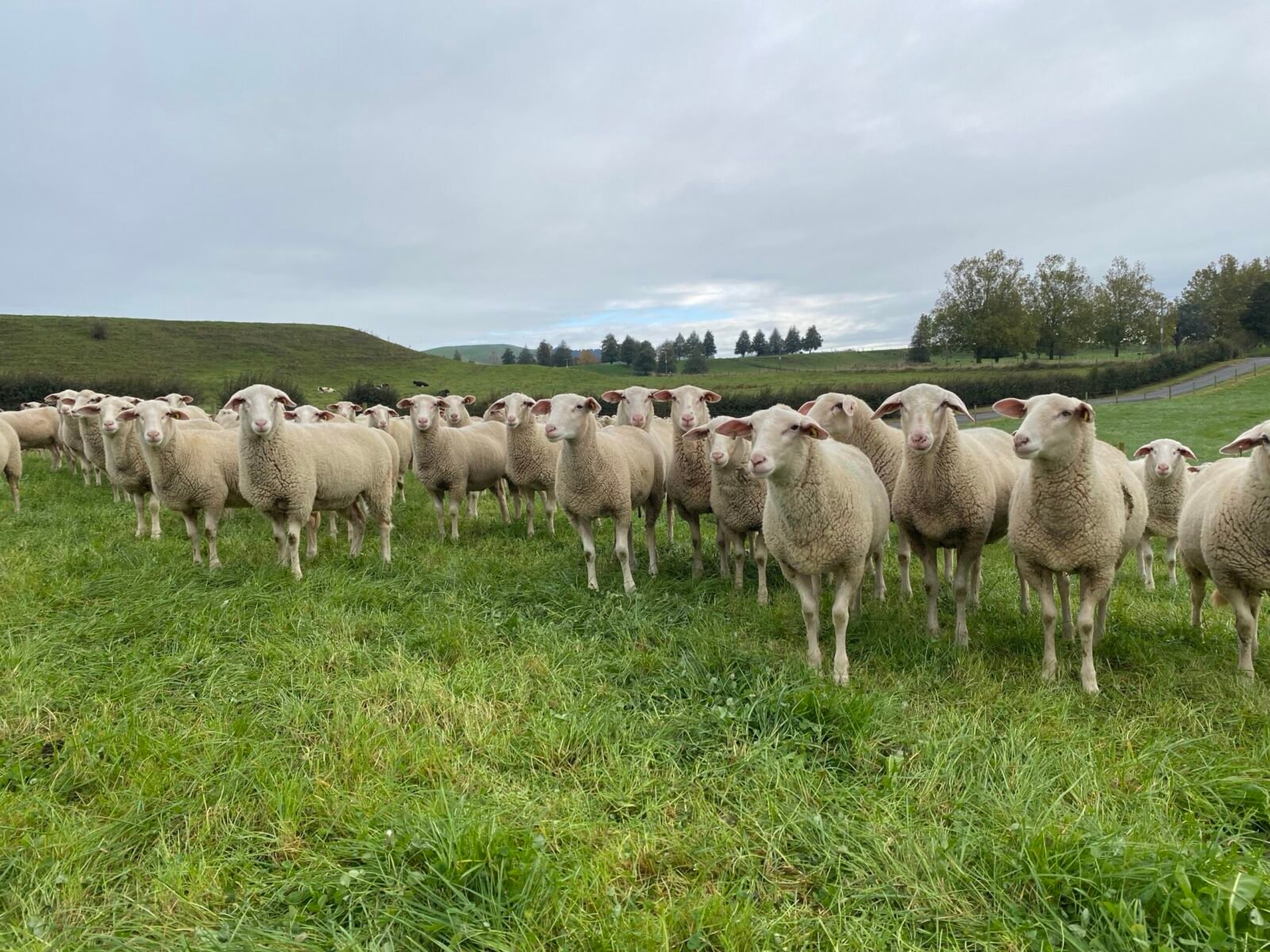
China’s ageing population is beginning to transform one of the world’s largest consumer industries: food. A recent corporate transaction offers a revealing glimpse into where this market may be heading. Chinese group ShareJoy has agreed to acquire a minority 6.6% stake in Spring Sheep, a company specialising in sheep milk products, while also securing distribution rights for its products in China. What makes the deal particularly interesting is not simply the investment itself, but the consumer segment it aims to reach: mature adults and people interested in healthy ageing. ShareJoy, headquartered in Nanjing and supported by a commercial organisation of approximately 2,000 employees, intends to develop the Chinese market for these products, while Spring Sheep is also preparing a formulation specifically designed for this audience. The move reflects a much broader transformation: nutrition for older adults is no longer being conceived exclusively as clinical nutrition for frail individuals. Instead, it is evolving into a mainstream consumer category associated with performance, prevention, strength, metabolism, immunity and maintaining independence.
The potential scale is extraordinary. China had approximately 297 million people aged 60 or over in 2023, representing roughly one fifth of its population, and projections suggest that this group could exceed 400 million by around 2035. Added to this is a population aged between 45 and 59 that is already beginning to change its dietary choices, thinking not only about weight or appearance, but also about what physical condition they want to be in when they reach 70, 80 or 90. This radically expands the potential market: longevity nutrition does not begin when dependency appears, but decades earlier. High-quality protein, calcium, vitamin D, selected micronutrients, fibre, microbiome-related products, metabolic health solutions and formulations designed to preserve muscle mass could become major growth categories. The challenge is particularly important because age-related muscle loss can begin long before someone considers themselves old and may accelerate over the decades. Preserving strength and functionality therefore becomes both a health objective and a compelling commercial proposition capable of connecting with consumers who do not want brands constantly reminding them that they are ageing.
From senior nutrition to longevity nutrition
For years, much of the nutrition industry segmented the market around four major consumer groups: babies, athletes, people seeking to lose weight and patients with specific medical needs. Longevity is creating a fifth category of enormous scale. A 55-year-old consumer may be looking for protein to preserve muscle; a 65-year-old may simultaneously be concerned about bone health, metabolism and cognition; while a 75-year-old may require foods with high nutritional density that are also easy to consume. These are completely different customers, yet for years they have been grouped under generic labels such as “senior”. The opportunity lies precisely in moving beyond this simplification and building segmentation around functional needs: muscle longevity, metabolic longevity, cognitive longevity, bone longevity, immune resilience and digestive health.
Sheep milk is particularly interesting within this evolution because it has a different nutritional profile from other types of milk, with higher concentrations of certain nutrients and proteins, although any specific benefit should be assessed within the context of the overall diet rather than turning a single ingredient into a medical promise. What ShareJoy appears to have identified is something commercially more important: there is a consumer willing to pay for products associated with higher nutritional quality and the preservation of long-term capabilities. This logic can extend far beyond dairy products. Functional beverages, protein snacks, prepared meals, supplements, fermented foods and products specifically formulated to preserve strength and metabolic health could all become part of a market that increasingly combines conventional food with prevention.
AI and biomarkers could take 50+ nutrition towards personalisation
The next major leap will be the transition from products defined simply by age to precision nutrition. Two 60-year-olds can have completely different body compositions, levels of physical activity, glucose profiles, muscle mass, genetics, medications and personal goals. Wearables, smart scales, blood tests, sensors and artificial intelligence platforms could enable recommendations to evolve from “a product for people over 50” to “the right product for this person at this particular moment”. This opens the door to subscription-based business models in which companies sell not only food, but also monitoring, recommendations and regular adjustments. A company could combine assessments of muscle mass, physical activity, sleep and metabolic markers to create a personalised nutrition programme and update it every quarter.
For major food groups, this transformation also changes the nature of competition. The competitor of a functional food company may no longer be another food manufacturer, but rather a healthtech platform, an insurance company, a gym chain, a preventive healthcare clinic or a wearable technology company. Whoever controls consumer data will have a far greater ability to anticipate what customers need, when they need it and how much they are willing to pay. The boundaries between food, wellness and healthcare will become increasingly blurred.
China could become the world’s largest laboratory for longevity nutrition
The combination of demographic scale, rapid digitalisation of consumption, e-commerce, mobile payments and growing interest in health makes China an especially compelling market. If its population aged 60 and over exceeds 400 million during the next decade, a category capable of reaching just 1% of those consumers would potentially have four million customers. And the real market would be considerably larger because preventive decisions begin long before the age of 60. For European, Australian, New Zealand and American brands, the challenge will be to understand that mature Chinese consumers cannot simply be approached through translated versions of Western products. Trust, evidence, ingredient provenance, food safety, professional recommendations and cultural adaptation could all determine success.
The ShareJoy and Spring Sheep transaction should be understood within this broader context. It may appear to be a relatively specialised investment, but it represents a much larger trend: mature consumers are beginning to create entirely new product categories long before they become dependent consumers. Companies that understand this distinction will be able to build relationships with customers at the age of 50 or 55 and potentially accompany them for several decades.
An opportunity for the entire food industry
Boards of directors across the food industry should begin asking themselves some very specific questions: what percentage of our customers will be over 50 by 2030? Which of our products contribute to preserving strength, mobility, metabolic health or wellbeing? Are we communicating these benefits without making consumers feel “old”? Can we create premium product lines? Can we personalise recommendations? What data do we need? Can we develop subscription-based models? Are there opportunities to collaborate with gyms, clinics, insurance companies or digital platforms? Longevity could transform not only product formulation, but also marketing, distribution and revenue models.
The next major food category may not be called “senior nutrition” at all. It will probably be something far more aspirational: nutrition for living better, for longer.
Prepare to lead the longevity economy
The demographic transformation is creating new opportunities across food, personalised nutrition, preventive health, technology, housing, tourism and services designed for the rapidly growing 50+ consumer market. The MBA in Longevity Business by FIFTIERS prepares entrepreneurs and executives to understand these emerging markets and turn longevity into new strategies, business opportunities and scalable business models.
Discover more from FIFTIERS
Subscribe to get the latest posts sent to your email.
What's Your Reaction?