
The 10 most effective treatments to eliminate age spots after 50


FIFTIERS | Life Begins at 50. La vida comienza a…
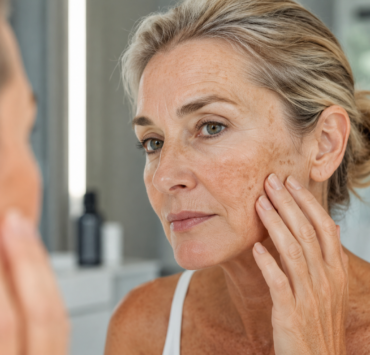
After the age of 50, very few people escape a completely natural phenomenon: the appearance of dark spots on the skin. These spots most commonly develop on the face, hands, décolleté, shoulders, and forearms—the areas that have accumulated the greatest lifetime exposure to sunlight. While many people view them as merely a cosmetic concern, the reality is that they are also a visible sign of cumulative skin aging and the long-term damage caused by ultraviolet (UV) radiation.
The good news is that dermatology has made remarkable advances over the past decade. Today, highly effective treatments can eliminate up to 90–95% of pigmentation in many patients, provided that an accurate diagnosis is made and the most appropriate treatment is selected for each specific type of lesion.
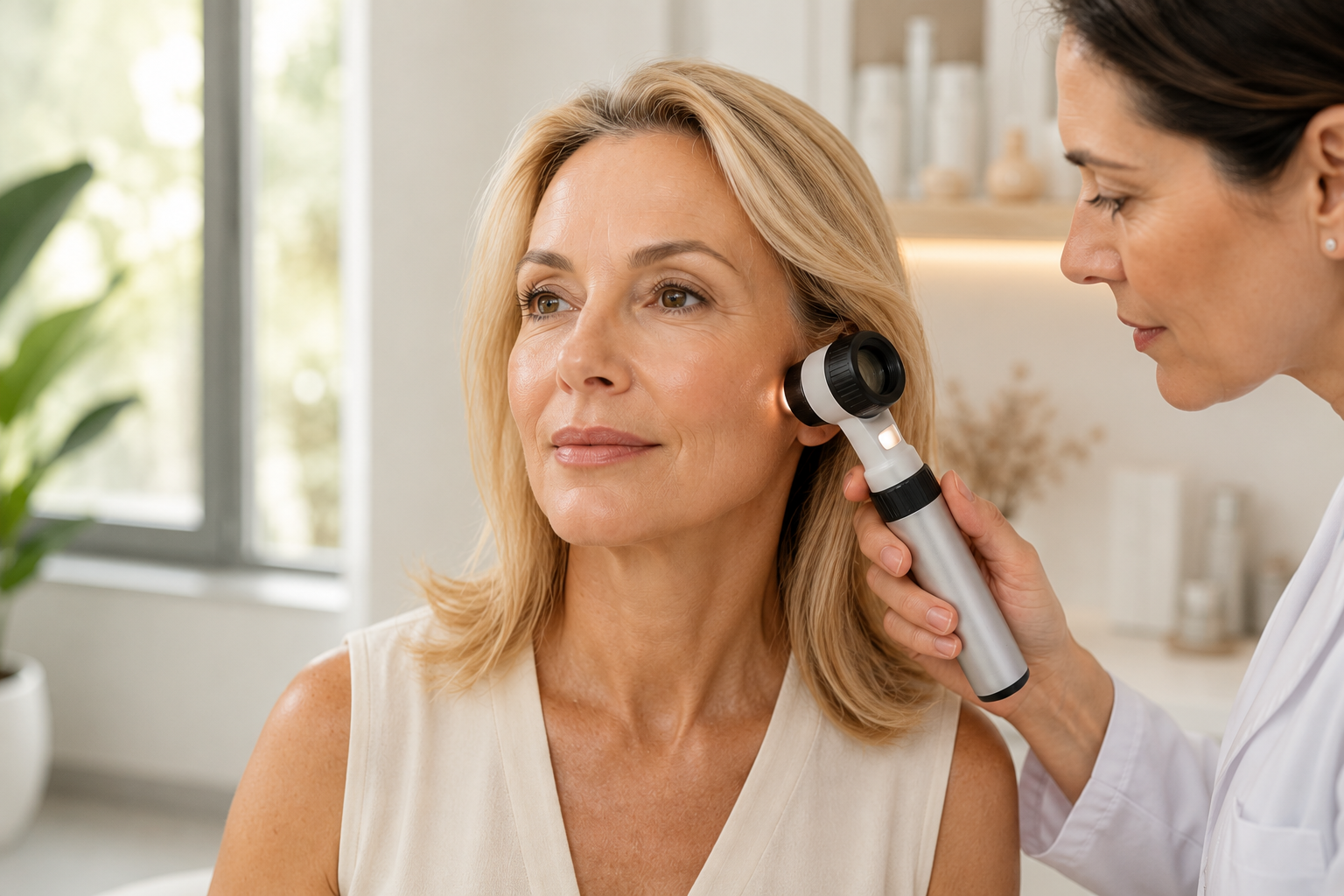
However, before beginning any treatment, it is essential to remember one important fact: not all dark spots are the same. Some are solar lentigines (commonly known as age spots), while others may be melasma, post-inflammatory hyperpigmentation, or even precancerous lesions. For this reason, any new spot—or one that changes in color, shape, or size—should always be evaluated by a dermatologist before treatment is considered.
1. Picosecond Laser
The picosecond laser is currently regarded as one of the most advanced and effective treatments for removing sun spots and age spots (solar lentigines). It delivers ultra-short pulses that shatter excess melanin into microscopic particles without generating significant heat in the surrounding tissue. This allows highly precise treatment while minimizing the risk of scarring or post-inflammatory pigmentation. In addition to fading dark spots, picosecond lasers stimulate collagen production, improving skin firmness, texture, and radiance. They are particularly effective for the face, neck, décolleté, and hands. Most patients require one to three sessions, with visible improvements often noticeable after the first treatment.
Effectiveness: 90–95%
Approximate Cost: €350–€900 per session
Results Duration: Several years with consistent sun protection
Recovery Time: 3–7 days
2. Intense Pulsed Light (IPL)
Intense Pulsed Light (IPL) remains one of the most widely used dermatological treatments for photoaging and pigmentation disorders. The broad-spectrum light is selectively absorbed by melanin, causing dark spots to temporarily darken before naturally flaking away. Beyond reducing pigmentation, IPL also improves redness, uneven skin tone, enlarged pores, and overall skin luminosity, making it an excellent option for patients seeking comprehensive skin rejuvenation. It is especially beneficial for individuals with multiple sun spots across the face, chest, or hands and offers minimal downtime.
Effectiveness: 80–90%
Approximate Cost: €150–€350 per session
Results Duration: 2–5 years with proper sun protection
Recovery Time: 1–3 days
3. Medical Chemical Peels
Medical-grade chemical peels use carefully selected acids to remove damaged outer layers of the skin, promoting the growth of new, healthier skin cells. Common peeling agents include glycolic acid, mandelic acid, salicylic acid, and trichloroacetic acid (TCA), each chosen according to the patient’s skin type and pigmentation. Chemical peels are particularly effective for superficial pigmentation, dull skin, fine lines, and uneven texture. Following several days of peeling, the skin appears brighter, smoother, and more even-toned.
Effectiveness: 70–90%
Approximate Cost: €100–€300 per session
Results Duration: 1–3 years with maintenance treatments
Recovery Time: 5–10 days
4. Hydroquinone
Hydroquinone remains one of the most scientifically supported topical depigmenting agents available. It works by inhibiting tyrosinase, the key enzyme responsible for melanin production, gradually lightening hyperpigmented areas over time. It is commonly prescribed in a 4% concentration and is often combined with retinoids and mild corticosteroids to maximize effectiveness. Although highly effective for age spots and melasma, hydroquinone should always be used under medical supervision to minimize the risk of irritation or unwanted pigmentation changes associated with prolonged use.
Effectiveness: 70–85%
Approximate Cost: €20–€60
Results Duration: Variable; maintenance therapy is often recommended
Recovery Time: None
5. Fraxel Laser
Fraxel laser is a fractional resurfacing technology that not only treats pigmentation but also dramatically improves overall skin quality. By creating thousands of microscopic treatment zones while leaving surrounding tissue intact, it accelerates healing and stimulates substantial collagen production. Fraxel is particularly recommended for individuals over 50 who present sun spots together with wrinkles, reduced skin elasticity, acne scars, or rough skin texture. Skin improvements continue to develop for several months following treatment.
Effectiveness: 80–90%
Approximate Cost: €500–€1,000 per session
Results Duration: 3–5 years with appropriate sun protection
Recovery Time: 5–7 days
6. Next-Generation Depigmenting Creams
Recent advances in dermatology have introduced highly effective depigmenting ingredients with fewer side effects than traditional hydroquinone. Active ingredients such as tranexamic acid, niacinamide, kojic acid, arbutin, cysteamine, azelaic acid, and Thiamidol® help regulate melanin production while improving overall skin brightness. Although they require patience, with visible improvements typically appearing after two to four months of consistent daily use, these products are excellent both as standalone treatments for mild pigmentation and as maintenance therapy following laser procedures.
Effectiveness: 60–80%
Approximate Cost: €30–€120
Results Duration: Long-lasting with continuous use and daily sunscreen
Recovery Time: None
7. Cryotherapy
Cryotherapy involves applying liquid nitrogen directly to pigmented lesions, freezing and destroying the cells containing excess melanin. It is a quick, highly effective procedure particularly suited for isolated age spots on the face, hands, and forearms. A small crust usually develops after treatment and naturally falls off within one to two weeks, revealing clearer, more evenly toned skin beneath. Cryotherapy is generally not recommended for widespread pigmentation or melasma due to the risk of uneven skin lightening.
Effectiveness: 80–90%
Approximate Cost: €50–€150 per lesion
Results Duration: Permanent for the treated lesion
Recovery Time: 7–14 days
8. Microneedling with Depigmenting Active Ingredients
Microneedling uses hundreds of ultra-fine needles to create microscopic channels in the skin, allowing depigmenting agents such as vitamin C, tranexamic acid, growth factors, and hyaluronic acid to penetrate more effectively. In addition to reducing pigmentation, the procedure stimulates collagen and elastin production, improving skin firmness, texture, and pore size. Multiple treatment sessions are usually recommended to achieve optimal results.
Effectiveness: 60–75%
Approximate Cost: €150–€350 per session
Results Duration: 1–2 years with maintenance sessions
Recovery Time: 2–4 days
9. Medical Retinoids
Prescription retinoids, particularly tretinoin, remain among the most extensively researched anti-aging treatments in dermatology. They accelerate cellular turnover, gradually disperse excess melanin, stimulate collagen production, and improve fine wrinkles, skin texture, and pigmentation. Although visible improvements require several months of consistent use, retinoids provide long-term benefits for overall skin health. Mild redness and peeling during the first few weeks are common and usually temporary.
Effectiveness: 60–80%
Approximate Cost: €15–€40
Results Duration: Long-term with continuous use
Recovery Time: None
10. Daily Sun Protection
Although sunscreen is often overlooked as a treatment, it is the single most important factor in preventing and maintaining the improvement of age spots. Without consistent protection against ultraviolet radiation, even the most advanced laser procedures and depigmenting creams will eventually lose their effectiveness as UV exposure continuously stimulates new melanin production. Dermatologists recommend applying a broad-spectrum SPF 50+ sunscreen every day of the year, regardless of weather conditions, and reapplying it every two hours during prolonged outdoor exposure. Wearing wide-brimmed hats, sunglasses, and avoiding direct midday sun exposure further enhances long-term protection and helps preserve clearer, younger-looking skin.
Effectiveness: Essential for preventing new pigmentation and maintaining treatment results
Approximate Cost: €15–€40
Results Duration: Continuous while used daily
Recovery Time: None
Discover more from FIFTIERS
Subscribe to get the latest posts sent to your email.
What's Your Reaction?