







The 500-Metre Test: Could You Grow Old in Your Neighbourhood?


On the map, the pharmacy is six minutes away. On foot, there is a crossing with no refuge island, a narrow pavement and two stretches where you cannot stop to rest. Both versions describe the same neighbourhood. Only one explains why, on some days, a person decides to stay home.
Next time you go to buy bread, visit the health centre or catch a bus, try the 500-metre test. The distance is a rough guide: choose somewhere you would go in an ordinary week and walk there and back. Notice what makes you slow down, cross the street or take a different route.
Count the decisions as well as the minutes
Write down three things: where you need to pay extra attention to avoid tripping, where you could stop without asking anyone’s permission, and which stretch you would avoid after dark, in hot weather or with a bag of shopping. Then repeat the walk with someone who moves at a different pace. Your favourite bench might be too low for them. The traffic noise might make it hard for them to hear a bicycle coming.
The World Health Organization treats outdoor spaces, transport and social participation as connected parts of an age-friendly city. That connection becomes clear when a difficult crossing also means missing out on a chat at the market.
Give the problem an address
If you spot an obstacle, describe it in a way a neighbour can check. “There is nowhere to wait halfway across the crossing between number 12 and the bus stop” is more useful than “The street is inaccessible.” Include the location, the time and what would improve the journey: a bench in the shade, a usable dropped kerb or more time to cross. A residents’ association or a council reporting channel can help get the issue to the right people.
Walk the same route at two different times
A route that works at eleven in the morning may be difficult at six in the evening. A delivery van mounts the pavement, the low sun shines directly into your eyes at the crossing, or the queue blocks the market entrance. Use the same start and finish each time. This makes it easier to separate problems that depend on the hour from those built into the route. A fifteen-minute obstruction might be solved by changing a delivery time. A step will still be there after the van leaves.
Make a separate note about the return trip. A street that feels easy on the way down may call for a rest on the way up. On the way back from the market, you also have shopping to carry. If the only bench is on the opposite pavement, reaching it might mean crossing the road twice. There is a seat on the map. For someone walking home with their hands full, it might as well be out of reach.
Follow the route all the way to the door
The walk does not end when you reach the right street number. Do you have to pull open a heavy door while holding a walking stick? Is there somewhere to sit at the bus stop, and can the bus pull in close to the kerb? Can you tell from outside where the step-free entrance is? Write down those transitions. A small obstacle at the end can undo the previous 499 metres.
Imagine two routes to the market. The shorter one has two crossings with no signals. The alternative adds a block but takes you past a signal-controlled crossing and a row of benches. On Saturday, however, outdoor seating narrows that pavement. Instead of picking a winner, the group can suggest two specific improvements: keep a clear passage on market day and check the sightlines at the crossing people usually take. The same principle applies if the usual route turns out to be worse. Familiarity is no reason to defend it.
Separate urgent problems from changes that would give people more options
When you sort your notes, start with anything that forces people into the road or prevents them reaching an essential service. Then look for changes that would open up choices: a seat on a long stretch, a sign pointing to an accessible entrance, or shade where people wait for the bus. Record what already works, too. If a nearby crossing gives people time to get across and good visibility in both directions, use it as an example when you ask for another one to be reviewed.
One useful question at a neighbourhood meeting is: “Who was unable to join this walk?” It might be the very person who stopped going out because of that stretch. They should not have to walk it again to tell you why they changed their routine. In a small exercise like this, that conversation can tell you as much as your notebook. The point is to understand how much people can do independently and what depends on someone being free to go with them.
Next time someone recommends a neighbourhood, ask where they go when they have twenty minutes to spare. Their answer may tell you more about life there than a map of every local service.
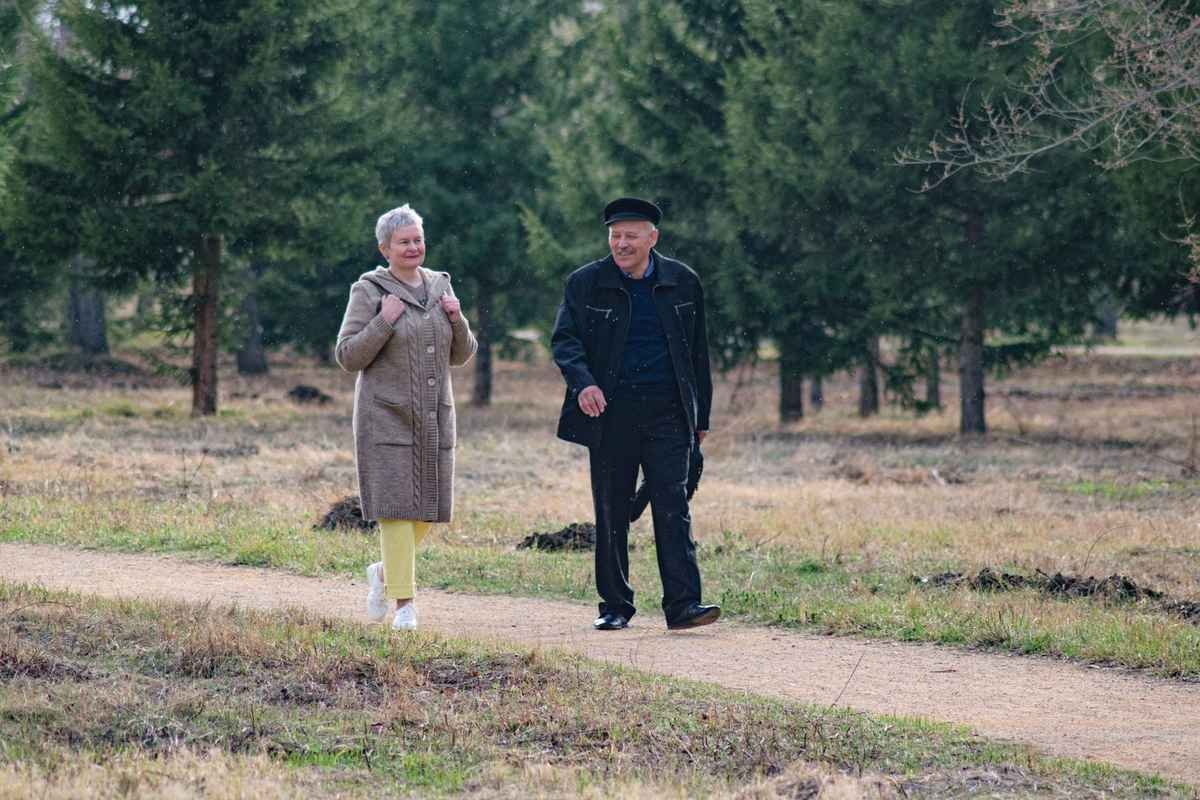
Illustrative photograph: Pexels.
Discover more from FIFTIERS
Subscribe to get the latest posts sent to your email.
What's Your Reaction?