



Longevity Radar — September 23, 2026: India begins building a longevity economy at scale, menopause emerges as a critical brain-health window and insurers start connecting health, care and wealth


The most relevant developments on Wednesday, September 23, 2026 point towards the same structural change: longevity is moving away from isolated products and towards integrated ecosystems connecting housing, healthcare, financial security, prevention, technology and community.
India moves from senior care towards a longevity ecosystem
Colliers India and Primus Senior Living have today released “The Future of Ageing and Longevity Economy in India,” highlighting that roughly 75 million older Indians are living with chronic conditions and arguing for an integrated longevity ecosystem rather than fragmented senior services.
The economic opportunity is already substantial. India has roughly 170 million people aged 60+ today, projected to exceed 340 million by 2050. Colliers estimates current Senior Living demand at around two to 2.2 million units, compared with only about 25,000 organised units. Demand could approach three million units by 2030, while organised stock may increase to approximately 100,000. India’s Senior Living market could exceed ₹1 trillion by 2030, while developers and investors have already announced more than ₹130 billion in capital commitments.
The larger opportunity goes well beyond Real Estate. Housing, healthcare, insurance, hospitality, wellness, mobility and technology can increasingly become parts of a single platform designed to preserve independence across decades of longer life.
Nature Medicine identifies a menopause-linked molecular signature associated with brain ageing
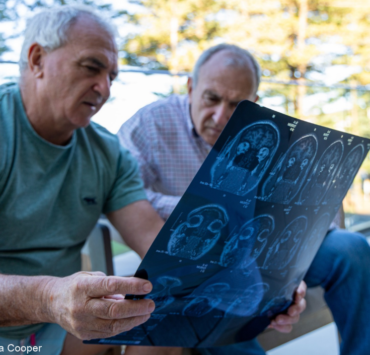
A new Nature Medicine study published September 22 used blood proteomics to examine the biology of menopause. Researchers found shifts involving inflammatory, synaptic, metabolic and Alzheimer’s-related processes, with changes tracking more strongly with menopause and hormone levels than with chronological age.
The findings replicated in 2,814 women aged 45–60 from UK Biobank, where 44% of almost 3,000 measured proteins differed according to menopausal stage. Postmenopausal women showed broader changes involving inflammatory and catabolic pathways and markers associated with accelerated organ and cellular ageing.
Researchers then connected these molecular signatures with later cognitive outcomes. Across independent ageing cohorts, higher menopause-related proteomic scores were associated with less favourable cognitive trajectories. Among 11,059 UK Biobank women followed for an average of 15.7 years, higher scores were associated with greater subsequent Alzheimer’s dementia risk. The findings are observational and do not establish that menopause causes dementia, but they suggest that midlife could become an important window for brain-health risk assessment and prevention in women.
For healthcare, biomarker companies, insurers, pharma and longevity clinics, women’s longevity may increasingly integrate menopause, cardiovascular health, metabolism, bone, muscle, sleep and brain health rather than treating each as a separate market.
Muang Thai Life creates a model combining lifespan, healthspan and wealthspan
Muang Thai Life Assurance is expanding its longevity strategy around three pillars: lifespan, healthspan and wealthspan. Its new flexible retirement products allow customers to adjust both their savings period and the age at which pension payments begin, between 55 and 70.
The more interesting innovation is the integration of financial products with care. Muang Thai Life has established partnerships with 44 Senior Living and nursing-care providers, enabling customers to connect pension income directly with later-life housing and care. Services span active senior housing, 24-hour nursing, rehabilitation, medical transport and end-of-life support.
The company notes that roughly 30% of Thai people have no savings and 60% hold less than THB200,000, illustrating the scale of the retirement-readiness problem.
This could preview a broader transformation in financial services. Insurers and banks may gradually shift from selling stand-alone retirement or health products towards managing the entire post-60 journey across income, healthcare, housing and care.
Cleveland Clinic targets one of Alzheimer’s most important unanswered questions: why progression differs so much between individuals
Cleveland Clinic today detailed the next stage of its Alzheimer’s Disease Research Center, supported by a five-year National Institute on Aging renewal expected to total approximately $21.1 million through 2031.
The programme plans to expand its longitudinal cohort to nearly 700 participants, combining biomarkers, cerebrospinal fluid, plasma, genetics, cognition and imaging. Around 35% of new participants are expected to have preclinical Alzheimer’s disease, allowing researchers to study biological changes before dementia develops. The centre will also examine atypical Alzheimer’s, dementia with Lewy bodies and people receiving newer anti-amyloid therapies.
The strategic direction is important. Brain health is moving from asking only whether Alzheimer’s pathology exists towards asking when symptoms may appear and how fast an individual is likely to progress.
Active ageing becomes a global-scale movement
The International Council on Active Aging announced today that Active Aging Week 2026, scheduled for October 5–11, is expected to involve more than 5,000 organisations, over 20,000 activities and more than one million participants worldwide. Senior Living communities, municipalities, fitness organisations, healthcare providers and community groups will participate.
This matters because healthy longevity is not simply a medical problem. Physical activity, strength, social participation, purpose and connection all contribute to maintaining functional capacity. For cities, hospitality, fitness, Senior Living and consumer brands, active ageing can become a participation economy rather than a care economy.
WHO brings ageing more explicitly into global health governance
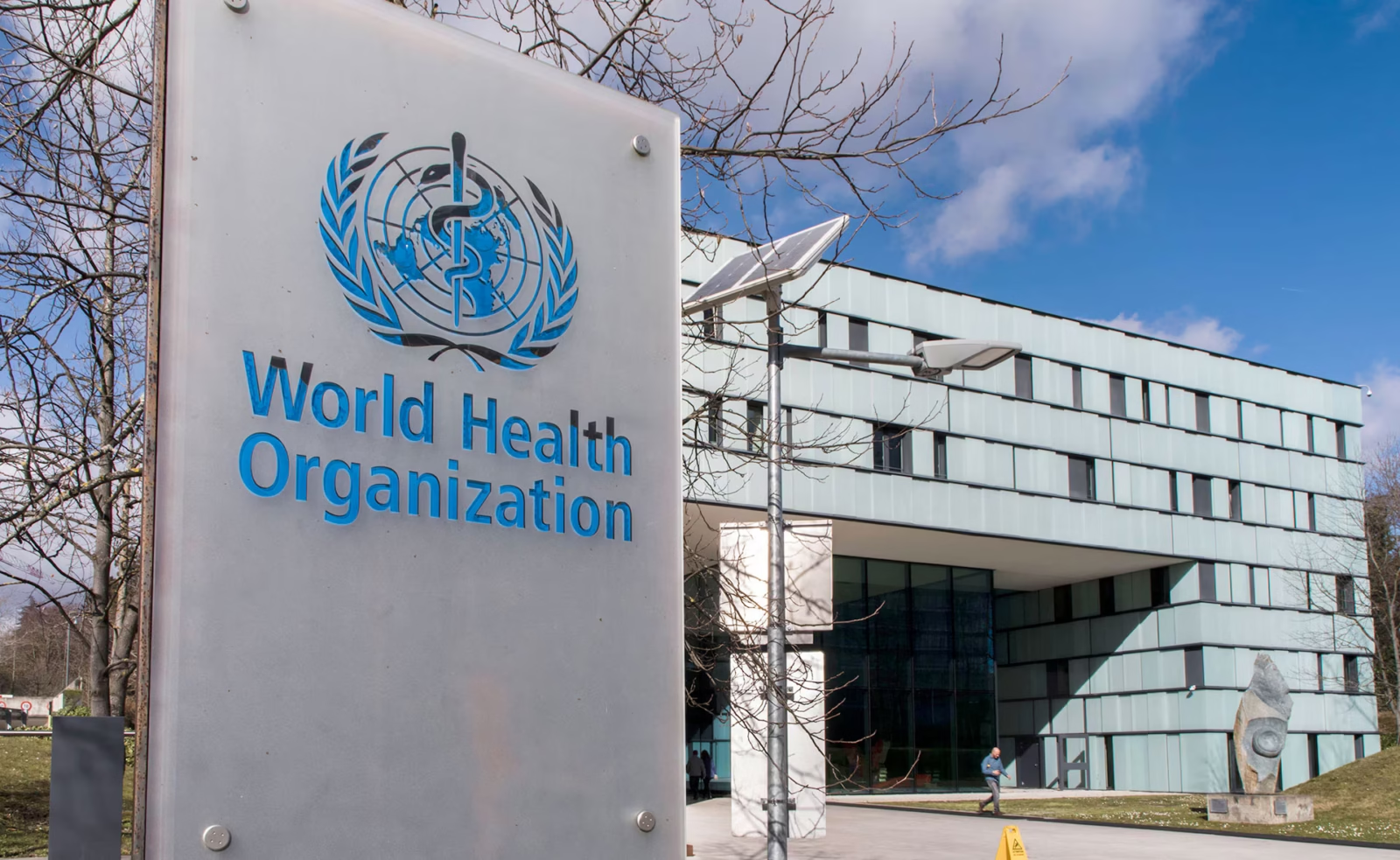
Tomorrow, September 24, is the deadline for the World Health Organization’s first specific call for experts in Older People and Ageing to join its Strategic and Technical Advisory Group of Experts. WHO plans to appoint at least two ageing specialists and is explicitly seeking expertise combining ageing with health systems and health economics.
The move reflects a broader shift towards a life-course approach to health, positioning healthy ageing within primary care, prevention, universal health coverage and health-system planning rather than treating it as an isolated geriatric issue.
The key takeaway
The defining theme of September 23 is integration.
India is connecting housing, healthcare and technology. Muang Thai Life is connecting savings with care and Senior Living. Nature Medicine is connecting menopause with molecular brain ageing decades before dementia. Cleveland Clinic is integrating genetics, biomarkers, cognition and imaging to understand Alzheimer’s progression. Active Aging Week is connecting health with participation and community. WHO is bringing ageing into mainstream health governance.
The next stage of the Longevity Economy is therefore unlikely to be dominated by companies selling a single product for older people. The strongest models may be those capable of accompanying people for decades and integrating healthspan, wealthspan, housing, prevention, technology, care, purpose and community.
Discover more from FIFTIERS
Subscribe to get the latest posts sent to your email.
What's Your Reaction?