





Longevity radar — September 21, 2026: Alzheimer’s enters a new era of diagnostics and clinical trials, Australia quantifies the cost of ageing and private capital fights for 55+ communities


On World Alzheimer’s Day, September 21, 2026, several developments illustrate where the Longevity Economy is heading. Dementia diagnosis is moving towards integrated blood testing, digital cognition and imaging; Alzheimer’s research is confronting a less visible but critical bottleneck — recruiting enough participants for clinical trials; Australia has published a forty-year economic outlook placing ageing, care and artificial intelligence among the forces reshaping its economy; and private equity continues to pursue residential platforms built around longer, more independent lives.
Alzheimer’s Disease International today launches the World Alzheimer Report 2026, “A New Era in Dementia Clinical Trials.” The global pipeline currently includes 158 drugs across 192 clinical trials. The report focuses not only on scientific progress but on recruitment, retention, global representation, ethics and access to patients earlier in the disease process.
The strategic implication is substantial. Alzheimer’s drug development can be slowed not only by unsuccessful molecules, but by an inability to recruit appropriate trial participants. Memory clinics, patient registries, blood biomarkers, remote monitoring and trial-matching platforms therefore become essential research infrastructure. For pharma, biotech, healthcare providers and patient organisations, trial readiness is emerging as a new segment within the brain-health economy.
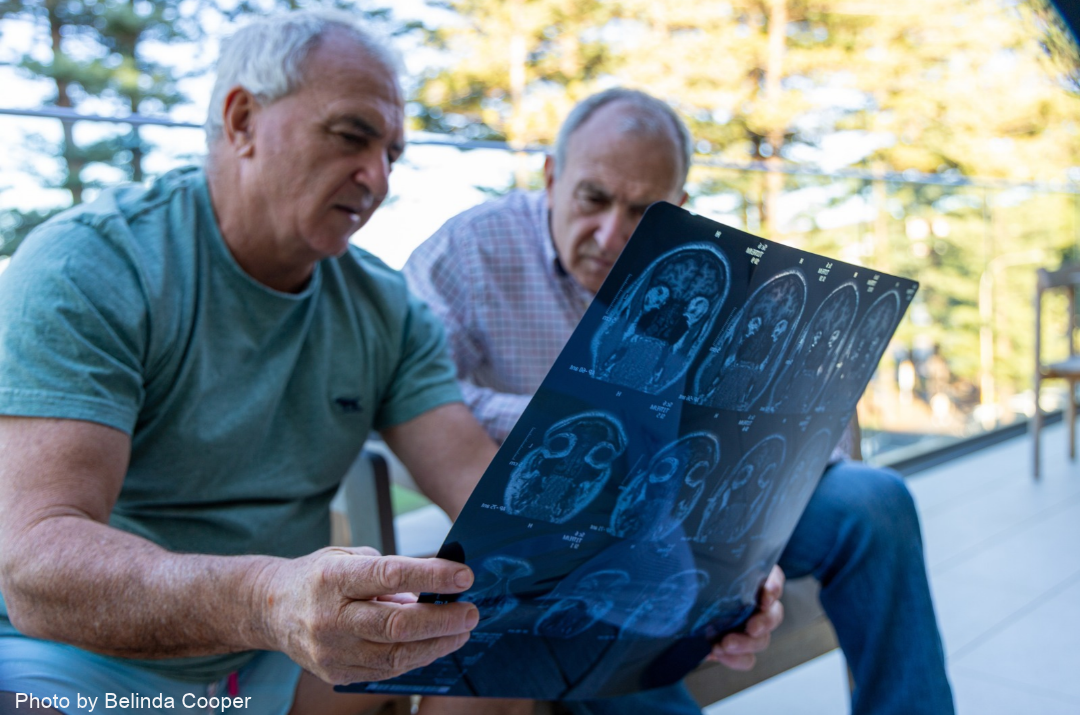
The UK is simultaneously building an integrated Alzheimer’s diagnostic pathway. C2N Diagnostics, Cambridge Cognition and The Alzheimer’s Trust announced today a collaboration combining C2N’s PrecivityAD2 blood test, Cambridge Cognition’s CANTAB Pathway digital cognitive assessment, and national blood-draw and MRI infrastructure. UK healthcare professionals can now order the services through The Alzheimer’s Trust.
Previous research across 19 Swedish primary-care clinics found that combining digital cognitive testing with blood biomarkers identified biomarker-confirmed clinical Alzheimer’s disease with around 90% accuracy, compared with 70% for standard GP assessment in that study.
The opportunity may therefore extend far beyond individual diagnostic tests. The emerging business model is an integrated diagnostic pathway connecting identification, cognition, biomarkers, imaging, referral, treatment and follow-up.
Australia’s new Intergenerational Report puts ageing and the care economy at the centre of its next forty years. Released today, the report identifies five major transformations: artificial intelligence, geopolitical fragmentation, the energy transition, ageing and the care economy, and industrial transformation.
Australia expects average annual population growth to slow from roughly 1.4% over the past four decades to around 0.9% over the next forty years. Deaths are projected to exceed births for the first time during the 2060s, while the population aged 85+ will triple by 2066. Demand for healthcare and aged care will rise accordingly, even as these sectors face labour shortages and remain heavily dependent on migrant workers.
The interesting intersection is that AI and population ageing will occur at the same time. Automation, robotics, remote monitoring and AI agents may increasingly become part of the economic solution to structural shortages in care labour.
Private equity is continuing to place a high value on 55+ housing. Australian operator Ingenia Communities today rejected Warburg Pincus’s second takeover proposal, worth A$2.06 billion — approximately US$1.47 billion. The A$5.05-per-security offer was 6.3% above the previous bid and represented a 16.9% premium to Ingenia’s last closing price, but the board said it continued to undervalue the company.
The deal matters because capital is increasingly valuing housing platforms that enable older people to remain independent rather than simply investing in institutional care. Senior Living is fragmenting into assisted living, memory care, active adult, land-lease communities, wellness communities and Longevity Living.
Science is also moving from predicting who may develop Alzheimer’s towards estimating when symptoms may begin. A Lancet Neurology study published September 9 analysed roughly 8,500 participants across seven prospective cohorts, combining plasma p-tau217 with APOE genotype.
Once p-tau217 became elevated, people carrying one or more APOE4 variants developed cognitive symptoms on average around three to four years later, compared with roughly five to six years among people with other APOE variants.
The research does not justify indiscriminate predictive testing of healthy people, and currently approved anti-amyloid treatments are not general preventive therapies for asymptomatic populations. But it points towards an important future concept: a personalised prevention window.
Falls prevention also enters focus today as the US Falls Prevention Awareness Week runs from September 21–25. More than one in four older adults experiences a fall each year, yet many falls can be prevented through strength and balance training, medication review, vision assessment and safer home environments.
The business opportunity is increasingly predictive. Sensors, wearables, gait analysis, AI, smart homes and preventive physiotherapy could identify deteriorating mobility before the first serious fall occurs. The future of AgeTech is not simply detecting an emergency; it is predicting declining capability early enough to prevent it.
The key takeaway
September 21 shows longevity increasingly becoming infrastructure: scientific infrastructure for clinical trials, diagnostic infrastructure for earlier Alzheimer’s detection, technological infrastructure for preserving mobility, residential infrastructure for longer independent lives, and economic infrastructure capable of supporting rapidly expanding older populations.
The central question for companies, investors, professionals, institutions and governments is therefore no longer simply how many older people there will be. It is how to preserve physical, cognitive, financial and social capability across lives that may extend twenty, thirty or forty years beyond the assumptions on which today’s organisations were designed.
Discover more from FIFTIERS
Subscribe to get the latest posts sent to your email.
What's Your Reaction?