





Longevity Radar — October 5, 2026: Harvard moves biological-age measurement towards clinical validation, capital continues shifting care into the home and Spain strengthens prevention for the 60+ population


The strongest developments on Monday, October 5, 2026 point towards a more mature Longevity Economy. The industry is increasingly focused on measuring ageing accurately, identifying decline earlier and keeping people independent for longer, while moving more healthcare and care services from institutional environments into the home.
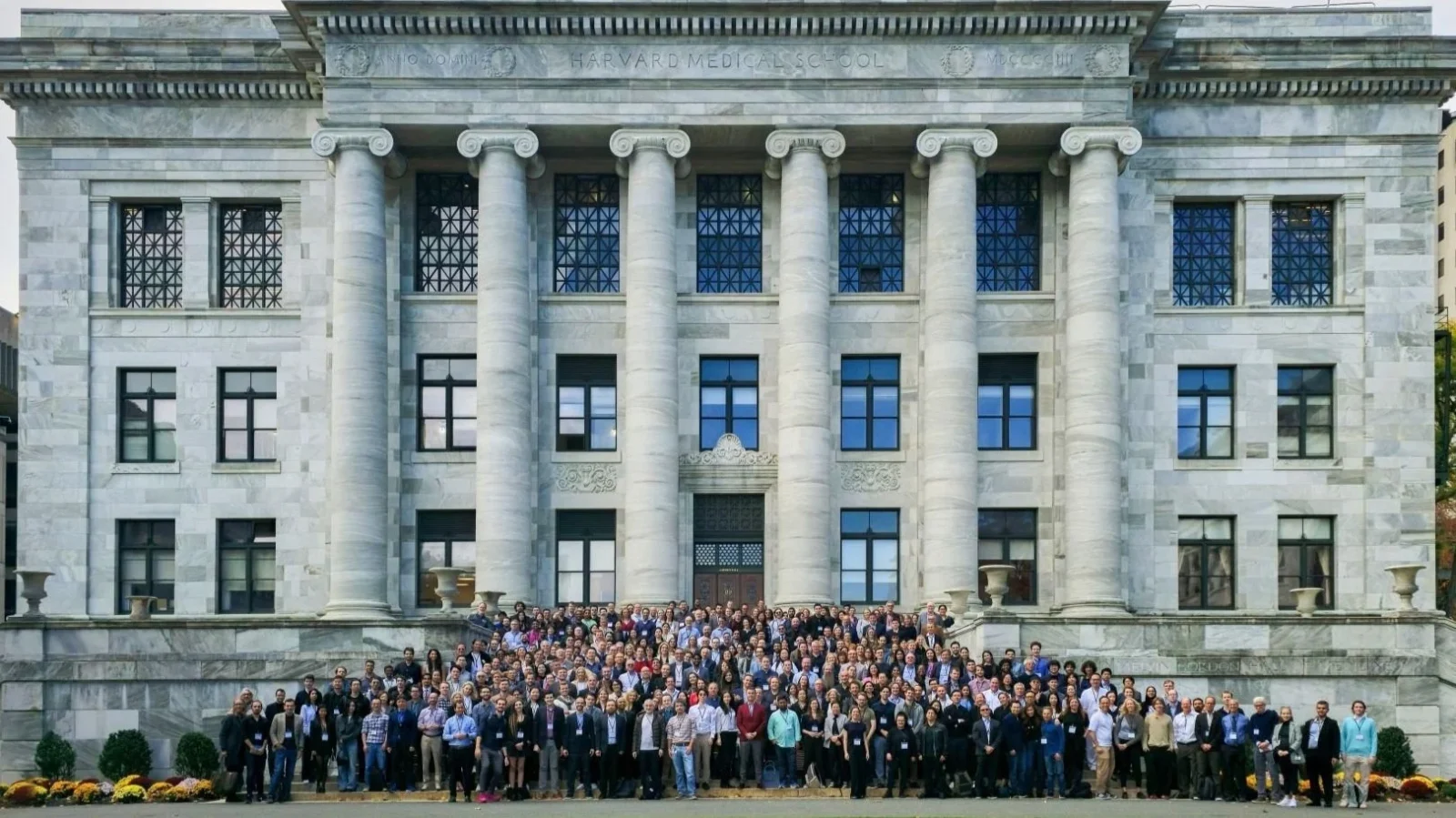
The fourth Biomarkers of Aging Conference opens today at Harvard Medical School, bringing together nearly 30 researchers, industry leaders and regulators including Steve Horvath, Dan Belsky, Mike Snyder, Albert-László Barabási, ARPA-H and FDA representatives. The programme spans epigenetic clocks, multi-omics, immune ageing, AI and clinical translation. The core industry challenge is increasingly validation: a biological-age score becomes commercially and medically valuable only when it can reliably predict outcomes and show whether an intervention genuinely improves them. A parallel workshop today explores an even more ambitious frontier — replacing ageing cells, tissues and organs using regenerative medicine and bioengineering.
Genflow Biosciences is also presenting new interim data today from a controlled, blinded study of its centenarian-derived SIRT6c gene therapy in 24 aged beagles. At day 182, mean DNA-methylation age fell by 1.08 years in the low-dose plasmid-DNA group versus 0.07 years in controls. The therapy was generally well tolerated. However, the differences versus control were not statistically conclusive, and the company itself describes them as directional and hypothesis-generating. A prespecified day-320 analysis remains ahead. For investors, this is an important reminder that reducing an epigenetic age score is not the same as demonstrating better function, disease prevention or longer life.
A newly published Nature Neuroscience study adds another layer to brain longevity. Researchers analysed 973 BioFINDER-2 participants and 129 ADNI participants and found that normal ageing and Alzheimer’s pathology appear to alter different large-scale functional pathways in the brain. Age-related changes followed a representation–executive axis, while early Alzheimer’s pathology and subsequent cognitive decline aligned with a sensory–association axis. This supports the development of diagnostics capable of separating normal brain ageing from preclinical neurodegeneration rather than treating chronological age as disease.
Capital is also moving further into home-based care. At Home Harmony has raised $4.7 million and is seeking another $800,000, according to an SEC filing. The company combines home-based primary care, pharmacy services, care management and personal care for older adults with complex needs and participates in Medicare’s GUIDE dementia-care model. The emerging model is no longer simply “home care”: it is a coordinated platform combining clinician, pharmacy, caregiver, data and payer around the individual.
Institutional long-term care is consolidating at the same time. Omega Healthcare Investors announced today the operational transition of 32 Florida skilled-nursing facilities to PACS Group, representing 4,049 licensed beds. Omega expects portfolio rent to rise by $26.1 million in year one and a further $2.5 million in year two, followed by 2% contractual escalators. The transaction illustrates why longevity Real Estate increasingly needs operating expertise as much as capital.
In Europe, EXPO REAL in Munich is hosting a dedicated Senior Housing & Healthcare investment session today, involving Aedifica, Swiss Life Asset Managers, Carestone and other leading investors and operators. The agenda covers European market trends, cross-border investment and Germany’s potential to attract international capital. Senior Housing is increasingly being treated as operational Real Estate combining housing, hospitality, healthcare, technology and service delivery.
Finally, public health remains one of the highest-return longevity interventions. Madrid begins its 2026–27 influenza campaign today, prioritising people aged 60 and older during the first two weeks and offering COVID-19 vaccination at the same appointment where appropriate. Spain’s national objective is to reach at least 75% influenza-vaccination coverage among people aged 60+, with special priority for those aged 80+ and residents of care facilities.
The key takeaway
The defining theme on October 5 is useful measurement.
Longevity science is trying to determine which biological clocks can actually guide treatment. Gene-therapy companies are being pushed beyond biomarker changes towards functional outcomes. Brain research is separating normal ageing from disease. Care is increasingly moving into the home, while institutional providers consolidate and professionalise. And public health continues to show that some of the highest-value longevity interventions are still basic preventive measures delivered at scale.
For executives and organisations, the emerging model can be summarised as detect earlier + intervene earlier + preserve independence longer + reserve intensive care infrastructure for when it is genuinely needed.
Discover more from FIFTIERS
Subscribe to get the latest posts sent to your email.
What's Your Reaction?