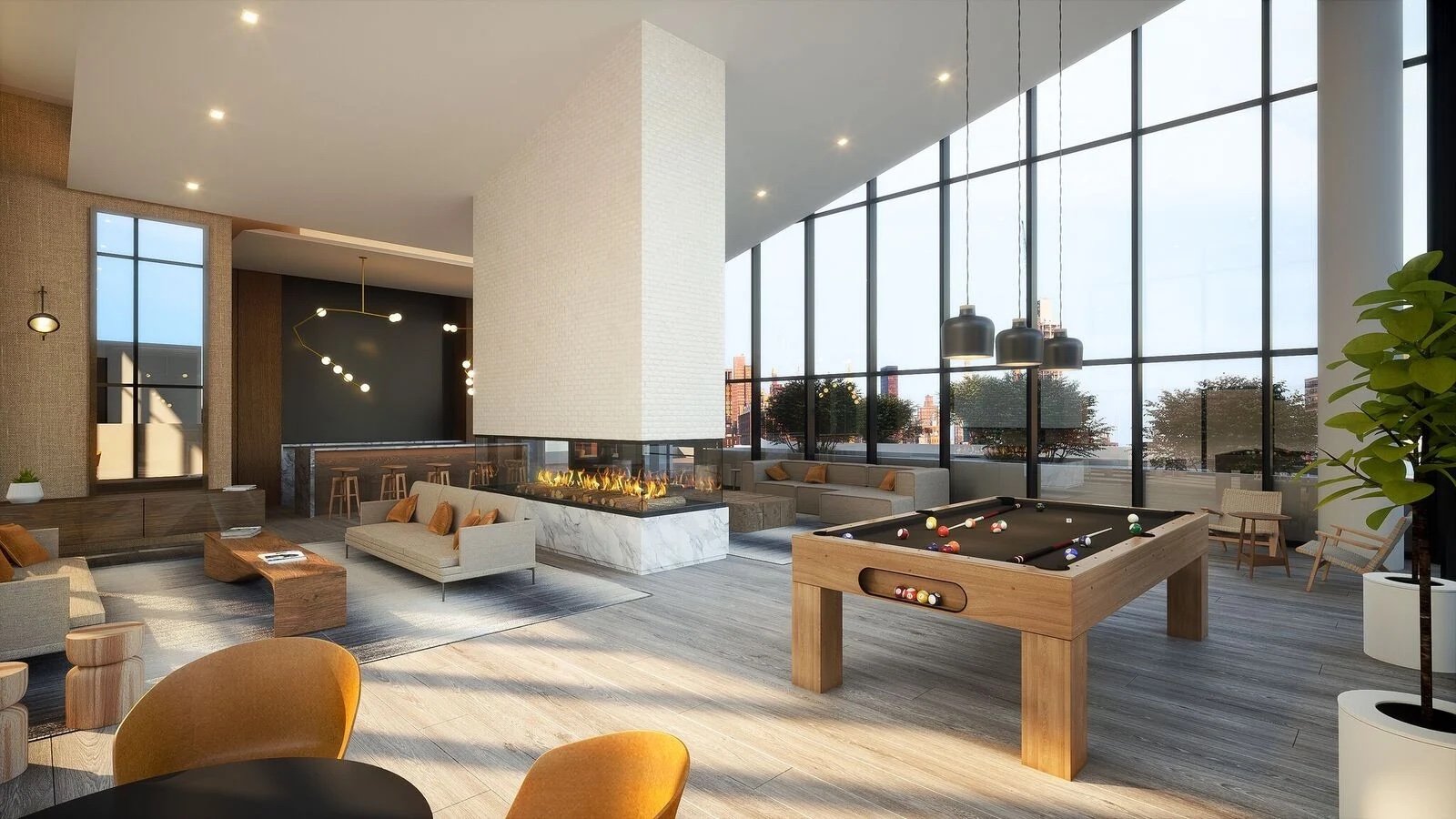
Population ageing is reshaping the very concept of community. Beyond traditional housing or assisted living facilities, new models are emerging that are specifically designed for older adults seeking to maintain independence, social engagement, and overall well-being. This transformation responds to a structural challenge: longer life expectancy combined with rising levels of social isolation.
According to the Organización Mundial de la Salud, nearly 25% of people over the age of 60 experience some degree of social isolation, a condition linked to increased risks of cardiovascular disease, cognitive decline, and depression. In Europe, data from Eurostat show that more than 30% of single-person households are occupied by older individuals — a figure that continues to grow steadily.
Within this context, senior cohousing models are gaining momentum. These are residential communities designed by and for older adults, where individuals have private living spaces but share common areas, services, and activities. Originating in countries such as Denmark, this model has expanded rapidly across Europe and North America. Today, there are an estimated 1,500+ senior cohousing communities worldwide, with annual growth rates exceeding 12%.
The appeal of these models lies in their ability to combine autonomy with social interaction. Academic studies indicate that individuals living in collaborative communities report up to 20% higher levels of subjective well-being compared to those living alone, along with a measurable reduction in perceived loneliness.
At the same time, the concept of “senior living” is evolving into more lifestyle-oriented formats. It is no longer limited to care services; instead, it focuses on creating environments that integrate culture, sports, education, and social engagement. These communities increasingly function as micro-ecosystems, offering coworking spaces, educational programs, artistic activities, and preventive healthcare services.
From an economic perspective, this segment is expanding rapidly. The global senior living market already exceeds $300 billion and is expected to continue growing, driven by rising demand for housing solutions aligned with longevity and quality of life.
Digital platforms are also playing a pivotal role. Social networks tailored specifically to individuals over 50 are gaining adoption, enabling community building, experience sharing, and event organization. These platforms are not only strengthening social connections but also acting as tools for emotional well-being.
Technology integration is further enhancing these community models. Advanced solutions such as safety monitoring sensors, telemedicine systems, artificial intelligence for personalized services, and digital communication platforms are becoming standard features in modern senior communities.
Institutional investors and real estate developers are increasingly targeting this segment, recognizing its long-term growth potential. In markets such as the United States, the United Kingdom, and Spain, demand for these communities significantly outpaces supply, accelerating the development of new residential concepts centered on senior well-being.
From a macroeconomic perspective, the impact is substantial. The so-called longevity economy — already valued at more than $27 trillion globally — finds in these community models one of its most dynamic pillars. Beyond economic activity, these environments contribute to reducing healthcare costs by improving both physical and mental health outcomes among residents.
Looking ahead, the concept of community will continue to evolve toward fully integrated ecosystems where housing, healthcare, technology, and social life converge. Loneliness will shift from being a structural problem to a manageable challenge addressed through design, innovation, and new forms of living.
In this emerging landscape, senior communities will no longer be an alternative — they will become a central component of the social architecture of the 21st century.