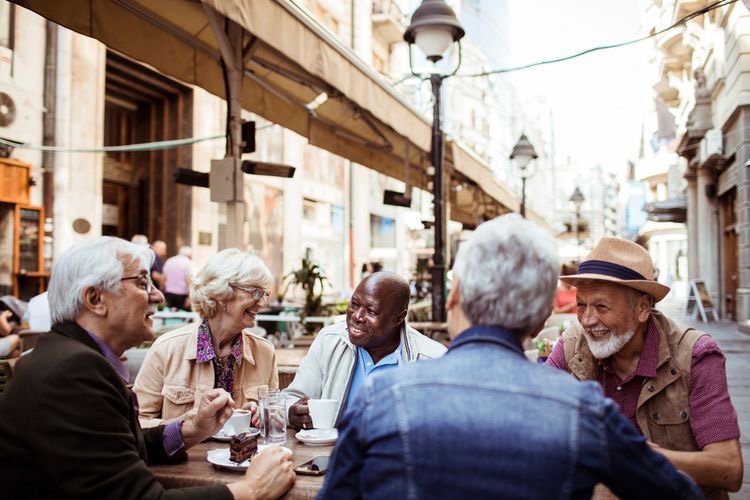
Global tourism is undergoing a structural transformation driven by a demographic force of unprecedented scale: population ageing. According to Organización Mundial del Turismo, travelers over the age of 50 already account for more than 35% of international tourism spending, a figure expected to exceed 45% by 2035. This segment is expanding not only in size but also in purchasing power, time availability, and expectations around quality.
At the same time, research from McKinsey & Company indicates that consumers over 50 control more than 60% of wealth in developed economies, positioning them as the most strategic customer group for the tourism industry. In Europe, the trend is even more pronounced: nearly 40% of the population will be over 55 by 2040, according to projections from Eurostat.
This new senior traveler profile differs radically from previous generations. Far from passive tourism, it represents an active, digitally engaged, and highly demanding consumer. More than 70% of these travelers book online, while approximately 65% prioritize cultural, educational, or wellness-oriented experiences over mass tourism. In addition, their average stay is between 20% and 30% longer than that of younger travelers, amplifying their economic impact on destinations.
The industry has responded rapidly. Major hotel groups are redesigning their offerings to include advanced wellness services, longevity-focused programs, personalized nutrition, and preventive healthcare. The rise of wellness tourism linked to health and active ageing is already a $900 billion global market, growing at annual rates exceeding 8%.
Transportation is also adapting. Cruise companies are introducing longer, slower-paced itineraries with strong cultural components and immersive destination experiences. Meanwhile, the luxury train tourism sector — particularly scenic routes across Europe and Asia — is expanding at double-digit rates, driven by senior travelers who prioritize comfort, safety, and the journey itself.
Another critical dimension is personalization. Through artificial intelligence and advanced data analytics, travel operators are designing tailored experiences based on travel history, health conditions, cultural interests, and consumption patterns. This level of hyper-personalization is increasing average spending per traveler by between 25% and 40%, according to industry estimates.
The concept of “learning tourism” is also gaining traction. Travel is increasingly seen as an opportunity for intellectual development, with programs that combine history, art, gastronomy, or even short academic courses. Universities and educational platforms are beginning to collaborate with tour operators to create hybrid experiences that blend travel and structured learning.
From a macroeconomic perspective, the impact is substantial. The so-called longevity economy already exceeds $27 trillion globally, with tourism as one of its central pillars. In mature destinations such as Spain, Italy, and France, travelers over 50 generate more than 50% of tourism revenues during mid and low seasons, helping reduce seasonality and stabilize demand.
Looking ahead, the transformation is set to deepen. Tourism in the coming decades will not be defined solely by luxury or destination, but by its ability to deliver well-being, purpose, and transformative experiences. In this context, the senior traveler is no longer a niche — it is the true engine of the industry, reshaping value propositions around longevity, health, and life experience.