




European call for regenerative medicine (deadline April 16)

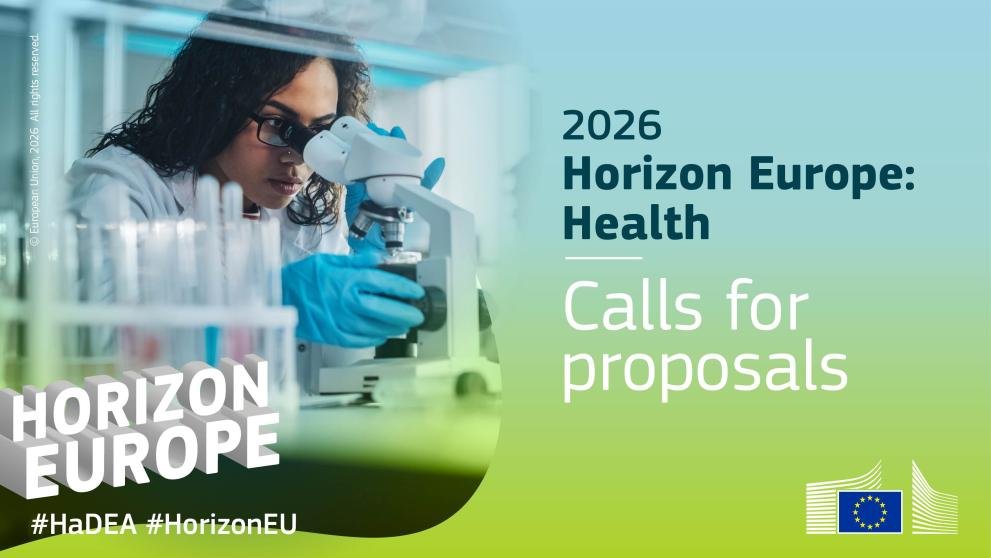

The European Commission has launched a new phase to boost regenerative medicine within the Horizon Europe program, with a call specifically aimed at funding the leap from collaborative research to clinical development and real-world market application.
Topic HORIZON-HLTH-2026-01-TOOL-05, managed by the European Health and Digital Executive Agency, introduces a key approach: follow-on funding, meaning continuity funding for projects previously supported by the European Union that have demonstrated scientific and technological soundness but need additional resources to advance toward regulatory phases, clinical validation, or industrial scaling.
From lab to patient: closing the critical gap
One of the biggest challenges in advanced biomedicine is not knowledge generation, but its effective transfer to clinical practice. Numerous developments in cell therapies, tissue engineering, gene editing, or innovative biomaterials remain blocked in intermediate phases due to lack of capital or regulatory complexity.
With this call, Europe seeks to reduce that structural gap. The initiative is integrated within “Destination 5” of the Health Cluster, focused on new tools, technologies, and digital solutions for a healthy society. This includes not only advanced therapies but also alternative methods to animal testing (NAMs), biomedical digital platforms, and networks of excellence in advanced therapy medicinal products (ATMPs).
Regenerative medicine is no longer a distant promise and is beginning to consolidate as strategic infrastructure for the European health system.
Direct impact on longevity and active aging
Regenerative therapies have direct applications in:
-
Joint degeneration and musculoskeletal pathologies.
-
Age-related cardiovascular diseases.
-
Neurological damage and neurodegenerative processes.
-
Tissue regeneration after surgeries or trauma.
-
Personalized medicine based on advanced cellular biology.
In a continent where demographic aging is advancing rapidly, strengthening the European ecosystem of advanced therapies is not just a scientific matter, but an economic and social one. Active aging requires biomedical solutions capable of extending autonomy, mobility, and quality of life.
Global competitiveness and biomedical sovereignty
The United States and Asia have invested heavily in advanced biotechnology over the past decade. Europe, traditionally strong in basic research, has shown greater difficulty in converting that knowledge into high-impact global companies.
The follow-on funding approach aims precisely at this critical point: transforming publicly funded projects into clinical platforms, biotech spin-offs, and marketable therapeutic products.
In strategic terms, this reinforces European technological sovereignty in a sector that will be central in the coming decades: regenerative medicine applied to aging.
Window of opportunity for European centers and companies
Europe has leading groups in cell therapy, tissue engineering, and regenerative medicine. For universities, hospitals, biotech startups, and public-private consortia that have participated in previous European projects, this call opens a direct pathway to scale up results.
The submission deadline is set for April 2026, making this quarter a decisive period for preparing solid proposals with clinical vision and market focus.
A clear signal toward the future of health in Europe
Beyond the technical details, the message is clear: Europe wants to accelerate the transition from biomedical research to concrete therapeutic solutions, especially in areas linked to chronic and degenerative diseases.
For the FIFTIERS generation, this means that the conversation about longevity is no longer limited to prevention or lifestyle. It is integrated into a new stage where tissue regeneration, cell therapy, and advanced biomedical platforms are beginning to form part of the European healthcare architecture.
Aging is addressed not only as a demographic challenge but as a driver of scientific innovation, investment, and technological development.
The medicine of the future will not be reactive. It will be regenerative, personalized, and supported by funding structures that allow knowledge to be converted into real treatment.
Discover more from FIFTIERS
Subscribe to get the latest posts sent to your email.
What's Your Reaction?