Longevity has moved beyond being a purely medical or demographic topic to become one of the most influential economic forces of the 21st century. Institutional investors, pharmaceutical groups, sovereign wealth funds and venture capital firms are increasingly aligning their strategies around a common objective: extending healthy, productive life as populations live longer than ever before.
The numbers illustrate this structural shift. According to multiple international economic forecasts, the longevity economy is expected to exceed USD 30 trillion annually by 2030, driven by aging populations in both developed and emerging markets. Today, more than 25% of global consumer spending already comes from people over the age of 50, a share that is projected to grow steadily over the coming decades.
Demographics Fuel a Long-Term Investment Wave
By 2025, the global population includes over 1 billion people aged 60 and above. By 2050, that figure is expected to rise to approximately 2.1 billion, effectively doubling within a single generation. In Europe, projections indicate that over 40% of the population will be older than 50 by 2035, while in the United States this demographic already controls more than 52% of the nation’s net wealth.
This demographic transformation is reshaping investment priorities worldwide. Longevity is no longer perceived as a public-sector burden, but as a high-recurrence market characterized by sustained demand, strong purchasing power and long-term growth potential.
Biotechnology, Health and Medical Technology Lead Capital Allocation
One of the most dynamic areas of investment is biotechnology focused on healthy aging. Over the past five years, global investment in longevity-focused startups has surpassed USD 50 billion, with annual growth rates exceeding 25%.
Capital is flowing most strongly into areas such as:
-
Cellular aging and senescence research
-
Regenerative therapies and precision medicine
-
Biomarkers and biological age measurement
-
Artificial intelligence for early detection and prevention
-
Medical technologies enabling continuous health monitoring
Major investment funds have established dedicated longevity divisions, recognizing that this sector combines scientific innovation, demographic certainty and long-term return profiles rarely found together in other markets.
Longevity as a Cross-Sector Economic Infrastructure
Unlike many investment themes, longevity does not exist within a single industry. It functions as a cross-sector economic infrastructure, influencing a wide range of fields:
-
Healthcare and pharmaceuticals, with an emphasis on prevention and optimization
-
Technology, particularly AI, wearables and advanced data analytics
-
Advanced nutrition and personalized dietary science
-
Health, wellness and premium longevity tourism
-
Housing, urban planning and age-adaptive smart cities
-
Education, lifelong learning and professional reinvention
This transversal nature explains why investors increasingly view longevity not as a trend, but as a foundational economic layer shaping future markets.
A Strategic Opportunity for the FIFTIERS Generation
For the FIFTIERS generation, the rise of the longevity economy presents a unique strategic window. Longevity is not driven solely by products and technologies; it requires experience, judgment and long-range thinking, qualities that mature professionals bring by default.
Advisory roles, consulting, smart investment, mentoring, board participation and later-stage entrepreneurship all find natural alignment within this ecosystem. In a sector where lived experience carries direct relevance, age becomes an asset rather than a constraint.
At the same time, longevity-driven investment is accelerating the development of flexible work models and extended career paths, aligning economic participation with longer, more active life trajectories.
From Healthcare Challenge to Economic Growth Driver
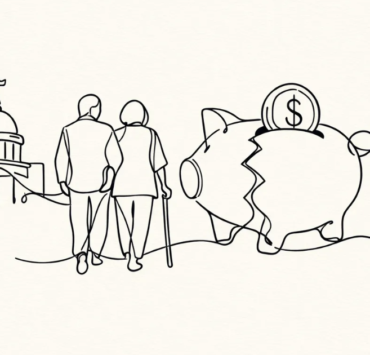
The most profound shift lies in perception. For decades, aging was framed primarily as a cost to manage. Today, longevity is understood as a driver of innovation, capital deployment and systemic transformation.
Nations that successfully integrate preventive health, advanced technology and adaptive economic models will not only improve population wellbeing, but also secure a strategic position within the global economy of the future.
Longevity is no longer a by-product of progress.
It is one of its central engines.