



Living 20 More Years — And Better: The Science and Strategy of Modern Longevity



A New Era for the 50+
Just one generation ago, turning 50 meant preparing for retirement. Today, it marks the beginning of a new chapter—where health, purpose, and longevity intersect like never before. FIFTIERS—people over 50 with active lives, strong values, and global vision—are rewriting the rules of aging. Thanks to medical science, technology, and a new awareness of holistic well-being, living 20 more years (and living them well) is no longer an exception, but an achievable aspiration.
We are entering the age of strategic longevity: living more years in good shape, with mental clarity, physical energy, and a renewed sense of purpose. It’s not just about adding time—it’s about adding life to time.
What Science Says: Aging Is No Longer Untouchable
The advances of the past decade have dismantled the old belief that aging is inevitable and irreversible. Today, science views aging as a biological process that can be slowed, modulated, or even partially reversed. Here are some of the most promising lines of research:
- Senolytics: experimental drugs that eliminate aging (senescent) cells—those responsible for chronic inflammation and tissue damage. In animal models, they’ve improved cardiac and cognitive function, and human trials are already underway.
- Cellular Reprogramming: using genetic factors such as Yamanaka, scientists are exploring how to restore some cellular youth without erasing cell identity. Companies like Altos Labs, backed by Jeff Bezos, are already working on experimental therapies.
- Metformin and Rapamycin: two well-known drugs being studied as potential “aging modulators” due to their impact on metabolism, inflammation, and cellular resistance.
- NAD+ Boosters (NR and NMN): supplements aimed at restoring NAD+ levels, which are essential for DNA repair and cellular energy production—functions that decline with age.
- Predictive Diagnostics: from genetic tests identifying hereditary risks (like Alzheimer’s or cancer) to blood tests that can detect over 50 types of cancer before symptoms appear (such as the Galleri test), preventive medicine is entering a new era of precision.
Key Fact: The global anti-aging technology market surpassed $67 billion in 2023 and is projected to reach $120 billion by 2030.
Personal Strategies: How to Add Life to Your Years
Nutrition: Eating to Live (Longer and Better)
The Mediterranean diet remains the most science-backed nutritional model: fresh vegetables, extra virgin olive oil, oily fish, nuts, legumes, whole grains, moderate red wine, and limited red meat.
Longitudinal studies show that individuals who follow this diet have up to a 23% lower mortality risk over the long term, along with reduced incidence of Alzheimer’s and cardiovascular diseases.
Other nutritional pillars include:
- Avoiding added sugars and ultra-processed foods.
- Prioritizing high-quality proteins (fish, eggs, legumes) to maintain muscle mass.
- Including natural antioxidants (berries, turmeric, green tea).
- Considering intermittent fasting or moderate caloric restriction as a metabolic strategy (under medical guidance).
Physical Activity: The Real Anti-Aging Medicine
Frequent and regular movement is the most powerful factor in slowing age-related decline:
- Cardio (walking, swimming, cycling): improves heart, brain, and mood. Aim for at least 150 minutes per week.
- Strength (weights, bands, bodyweight): essential to fight sarcopenia (muscle loss) which begins in the 40s. Recent studies show strength training leads to greater autonomy and lower risk of fractures and dementia.
- Adapted HIIT: even small doses of high-intensity interval training generate metabolic and mitochondrial benefits.
- Mobility and Balance (tai chi, yoga, stretching): reduce fall risk and maintain functional agility.
Notable Finding: A 2026 study found that older adults who performed strength training 90 minutes per week had significantly longer telomeres—biological markers of youth—equivalent to being four years younger.
Sleep, Mental Health, and Stress Management
Sleeping well (7–8 hours), maintaining active social connections, practicing gratitude, and reducing chronic stress (through meditation, breathwork, restorative breaks, or spirituality) not only boost mood but enhance cellular longevity.
Poor sleep is linked to chronic inflammation, increased cardiovascular risk, and cognitive decline. Prioritizing sleep isn’t a luxury—it’s prevention.
Advanced Medical Prevention
Longevity is built through anticipatory, not reactive medicine. Key actions include:
- Annual comprehensive checkups.
- Early screening for colon, breast, prostate, and lung cancer (depending on individual risk).
- Up-to-date vaccinations (flu, shingles, pneumococcus, RSV).
- Early cognitive decline detection.
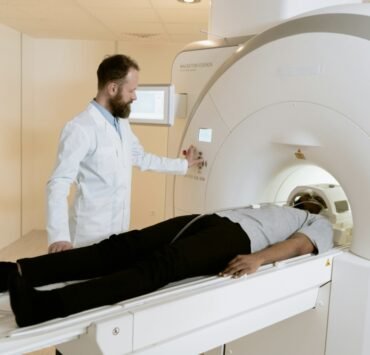
- Full-body scans or multi-cancer blood tests for those seeking a more proactive approach.
The Longevity Economy: A Global Growth Market
Adults over 50 already represent 42% of global consumption and control over 50% of global wealth. This group is driving the rise of a “longevity economy” that spans biotech, housing, wellness, personalized healthcare, and age-smart technology.
Key Facts:
- In 2020, the 50+ demographic contributed $45 trillion to global GDP. By 2050, that figure is expected to approach $100 trillion.
- Biotech firms (Unity, BioAge, Calico) are developing therapies to slow age-related diseases.
- Japan, Singapore, and the EU are investing heavily in active aging projects and age-adapted cities.
- Demand for longevity clinics, wearables, premium wellness services, and personalized nutrition is skyrocketing among 50+ individuals with capital and a culture of self-care.
As the World Economic Forum puts it: “Extending global healthspan could generate a trillion-dollar dividend in productivity and healthcare savings.”
How to Apply All This: A Practical Guide for FIFTIERS
- Initial Assessment: Get a full checkup. Ask your doctor for lab tests, a physical exam, and a personalized prevention plan.
- Upgrade Your Health Agenda: Build weekly space for exercise, restorative sleep, whole food meals, social activities, and lifelong learning.
- Invest in Well-being: From an electric bike to a healthy cooking class, prioritize everything that keeps you active, curious, and connected.
- Go Digital—Smartly: Use health apps or smartwatches if they motivate you—but don’t obsess. These are tools, not the goal.
- Design a Life-Friendly Environment: An accessible home, meaningful relationships, nature nearby, and essential services within reach are part of your longevity architecture.
- Plan for the 100-Year Life: Review your finances, long-term health strategy, and life projects. It’s not just about living longer, but living with greater intention.
Longevity Is Not a Promise — It’s a Strategy
Living 20 more years is not utopia. It’s a real possibility that depends on smart, sustained decisions aligned with a clear purpose. Medicine, science, and technology are opening extraordinary pathways—but the true power still lies in your hands.
After 50, longevity is no longer inherited — it’s designed. It’s cultivated every day: in what you eat, how you move, what you choose to learn, who you connect with, and how you interpret your own life story.
“The future isn’t just longer. It’s wider. And we’re right on time to live it fully.”
Discover more from FIFTIERS
Subscribe to get the latest posts sent to your email.
What's Your Reaction?