




Digital Health Drives Active Aging


FIFTIERS | Life Begins at 50. La vida comienza a…
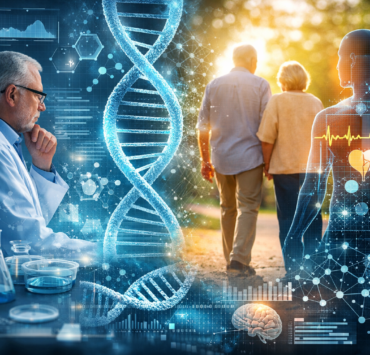
Digital transformation is redefining how people age. Health is no longer managed exclusively in hospitals or medical offices; it is increasingly embedded in everyday life through technologies that allow continuous monitoring, prevention, and early intervention. In this new paradigm, digital health becomes a central pillar of active aging, enabling older adults to maintain independence, improve quality of life, and extend their functional capacity for longer.
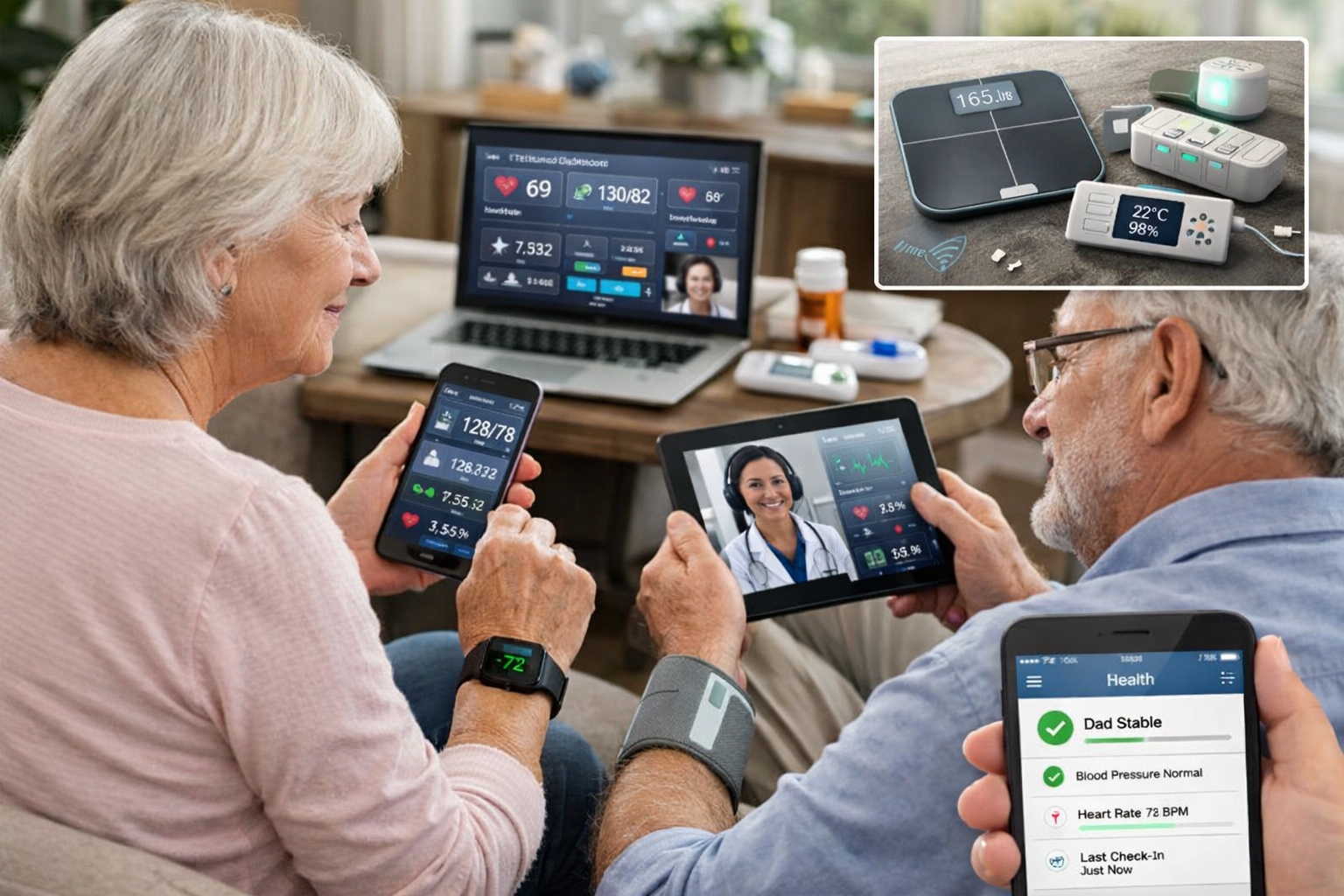
The rise of mobile applications, wearable devices, and telemedicine platforms has created an ecosystem where health can be tracked in real time. Smartwatches, fitness bands, and biometric sensors now measure heart rate, blood oxygen levels, sleep quality, physical activity, and even stress indicators. This continuous monitoring provides a far more comprehensive picture of health, moving beyond the traditional model based on occasional doctor visits and fragmented data.
From a market perspective, digital health is expanding at a rapid pace. The sector is projected to exceed 600 billion dollars globally within the next decade, driven by demographic aging and the need to optimize healthcare systems. Within this growth, medical wearables and remote monitoring solutions represent one of the fastest-evolving segments, with adoption rates rising steadily among individuals over the age of 55.
One of the most important shifts enabled by digital health is the transition from a reactive model to a preventive one. Traditionally, healthcare systems responded to illness after it appeared. Today, continuous data collection allows patterns to be identified, risks to be anticipated, and interventions to occur before complications arise. Artificial intelligence algorithms can detect irregular heart rhythms, predict falls, or identify behavioral changes associated with cognitive decline. This anticipatory capability not only improves health outcomes but also reduces costs and avoids unnecessary hospitalizations.
Telemedicine has become another key component of this transformation. Remote consultations allow older adults to access healthcare professionals without the need to travel, which is particularly valuable for those with mobility limitations or living in rural areas. These platforms also enable continuous monitoring of chronic patients, improving treatment adherence and reducing pressure on healthcare facilities. In many countries, more than 30% of non-urgent consultations are already conducted virtually, a trend expected to accelerate in the coming years.
Chronic disease management is one of the areas where digital health delivers the greatest impact. Conditions such as diabetes, hypertension, and cardiovascular diseases require constant monitoring that traditionally depended on periodic medical visits. Today, connected devices allow individuals to measure glucose levels, blood pressure, or cardiac activity from home, with data automatically shared with healthcare professionals. This model enhances disease control while empowering patients to take an active role in managing their own health.
Another critical dimension is the role of digital health in preventing functional and cognitive decline. Applications designed for older adults offer tailored physical exercise programs, cognitive training, nutritional tracking, and emotional well-being support. These tools help maintain physical and mental capabilities for longer, reducing the risk of dependency. At the same time, gamification and personalization increase engagement, which is essential for long-term adherence.
The impact of digital health also extends to families and caregivers. Monitoring platforms provide real-time insights into the health status of older individuals, offering reassurance and facilitating decision-making. This connected care model creates more efficient support networks while reducing the emotional and logistical burden associated with caregiving.
From a healthcare system perspective, digitalization represents a major opportunity to improve efficiency and sustainability. Population aging is increasing demand for healthcare services at a pace that traditional models struggle to absorb. Remote monitoring, telemedicine, and data-driven decision-making enable better resource allocation, fewer hospital admissions, and more targeted care delivery. It is estimated that widespread adoption of digital health solutions could reduce costs associated with chronic diseases by up to 20%.
However, this transformation also presents challenges. The digital divide remains a barrier for part of the older population, particularly in terms of access to and familiarity with technology. Digital literacy therefore becomes a key factor in ensuring inclusivity. In parallel, the management of health data raises critical issues related to privacy, security, and ethics, requiring robust regulatory frameworks.
At the same time, the design of digital health solutions must align with the real needs of older users. Simplicity, accessibility, usability, and support are essential to drive adoption. Companies that understand these requirements will not only develop better products but will also lead a rapidly expanding market.
Ultimately, digital health is not just a technological evolution; it represents a profound shift in how aging is understood. It enables a transition from a disease-centered model to one focused on well-being, prevention, and autonomy. As these tools become increasingly integrated into daily life, active aging will move from aspiration to reality for millions of people.
The goal is no longer simply to live longer, but to live better. And in that transformation, digital health stands out as one of the most powerful drivers of social and economic change in the 21st century.
Discover more from FIFTIERS
Subscribe to get the latest posts sent to your email.
What's Your Reaction?