



China’s Silver Economy Emerges as a Strategic Engine for Growth


FIFTIERS | Life Begins at 50. La vida comienza a…
The global economy is entering a phase in which demographic aging is no longer viewed solely as a social challenge, but increasingly as a powerful driver of economic growth and consumer demand. Within this context, the concept of the “silver economy”—economic activity linked to older populations—is becoming one of the most strategic sectors for governments and businesses alike.
In particular, China has begun positioning this segment as a key pillar of its future economic expansion, introducing policies designed to transform demographic aging into a new engine of consumption, services, and innovation.
A Rapidly Aging Society
Over the past decades, China has experienced one of the fastest demographic transitions in the world. Rising life expectancy combined with decades of low birth rates has profoundly reshaped the country’s population structure.
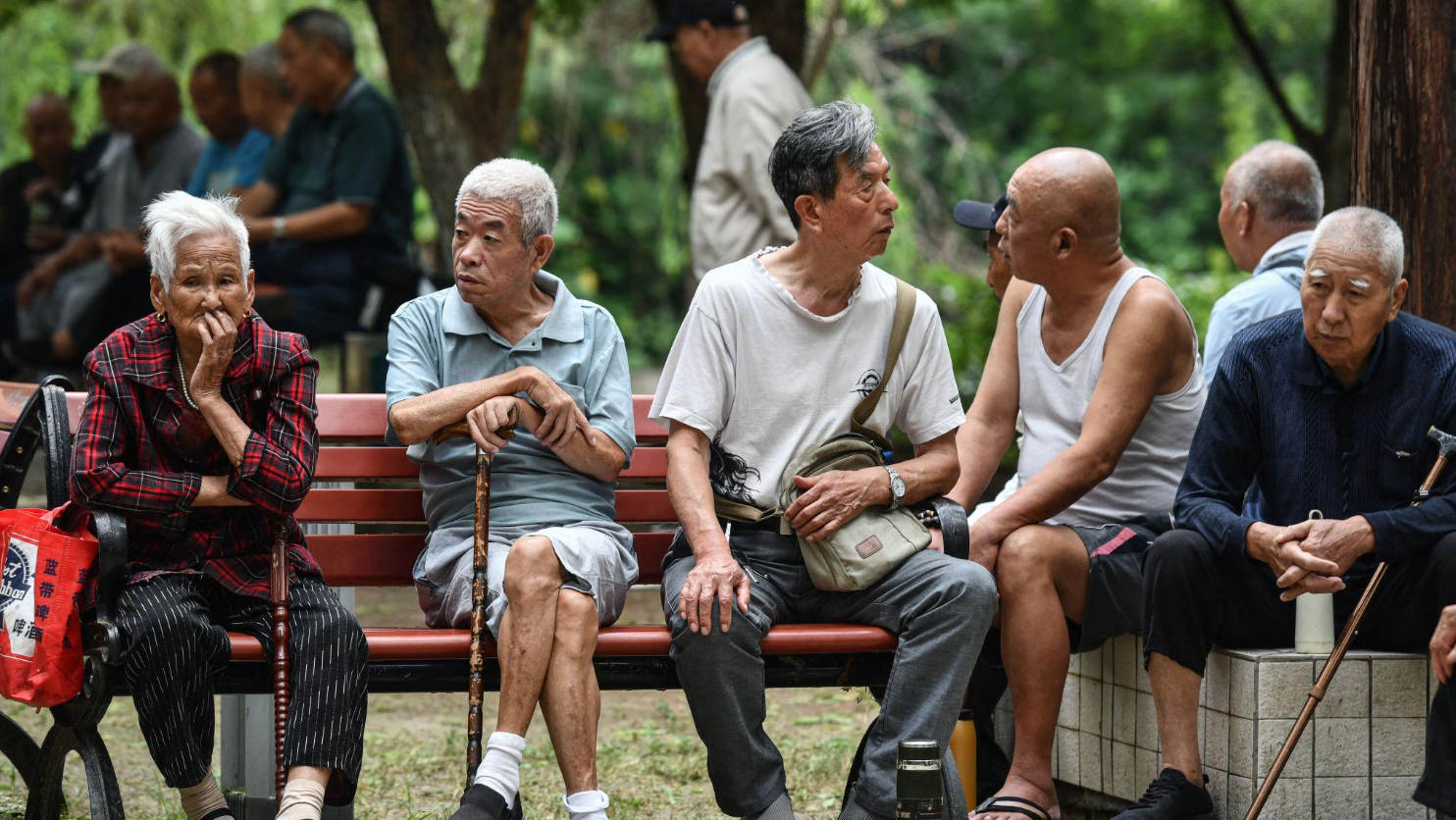
Today, China has more than 300 million people aged 60 and over, a demographic group roughly equivalent to the entire population of the United States. Projections suggest that by 2035 the number could exceed 400 million, making older citizens one of the most influential consumer groups in the country.
Rather than viewing this transformation exclusively as a burden on pension systems or healthcare infrastructure, Chinese policymakers are increasingly framing it as a strategic economic opportunity capable of stimulating domestic demand.
A Market Already Worth Trillions
The economic activity associated with China’s aging population already represents a major market. Current estimates value the silver economy at around 7 trillion yuan, equivalent to roughly 6% of the country’s GDP.
Yet the growth potential remains vast. Forecasts suggest that the market could expand dramatically over the next decade, reaching close to 30 trillion yuan by 2035. At that level, the sector could represent around 10% of China’s economy, placing it alongside some of the nation’s most important industrial sectors.
Several structural forces are driving this expansion:
-
Longer life expectancy
-
Rising wealth among retiring generations
-
Rapid digitalization of consumption
-
Expanding urban middle-class populations
-
Increasing demand for health, leisure, and lifestyle services
Together, these factors are transforming the senior market from a niche segment into a major pillar of China’s consumer economy.
From Care Services to Lifestyle Consumption
Historically, China’s senior-related industries focused largely on basic care services, including nursing homes, healthcare support, and social assistance. Today, the government is actively encouraging the development of a broader ecosystem centered on active aging and lifestyle consumption.
Key sectors attracting investment and policy support include:
Healthcare and biotechnology
Advanced medical services, preventive healthcare, smart monitoring devices, and home-care technologies.
Senior tourism
Travel experiences tailored to older consumers, age-friendly destinations, and wellness-oriented hospitality offerings.
Technology for aging populations
Simplified digital platforms, smart-home solutions, AI-powered healthcare monitoring, and accessibility-focused technology.
Financial and insurance services
Products designed for longer life expectancy, retirement planning, and wealth management for older consumers.
Wellness and active longevity
Fitness programs, longevity clinics, nutrition services, and lifestyle communities focused on healthy aging.
This evolution reflects a cultural shift: older adults are increasingly recognized not only as recipients of care but also as active consumers with purchasing power and lifestyle aspirations.
A National Policy Priority
The development of the silver economy has become a national policy priority. The Chinese government has issued strategic frameworks containing dozens of measures aimed at accelerating the growth of this sector.
These initiatives include:
-
Incentives for companies developing products for older consumers
-
Expansion of age-friendly urban infrastructure
-
Support for technology startups focused on eldercare and health
-
Development of senior-oriented tourism and wellness industries
-
Encouragement of innovative housing and community models for aging populations
The broader objective is twofold: improving quality of life for older citizens while simultaneously unlocking new sources of economic growth.
A New Driver of Domestic Consumption
For years, China’s economic model relied heavily on industrial investment and exports. Today, policymakers are working to rebalance the economy toward stronger domestic consumption.
The senior population plays an increasingly important role in this transition. Many of today’s retirees belong to generations that benefited from decades of economic expansion and have accumulated savings, property, and stable pensions.
As a result, this demographic represents a substantial base of consumers capable of spending on travel, healthcare, leisure, education, and premium services.
Industries Are Being Reshaped
The expansion of the silver economy is not limited to new services—it is also reshaping entire industries.
Sectors such as tourism, real estate, healthcare, retail, and technology are beginning to design products and experiences tailored to consumers aged 50 and above. This includes:
-
More accessible product design
-
Age-friendly digital services
-
Hospitality concepts centered on wellness and longevity
-
Smart living environments adapted to older residents
These shifts point to a deeper structural transformation: the senior market is becoming one of the most dynamic areas of innovation across Asia’s consumer economy.
A Global Trend Accelerated by China
The rise of the silver economy is a global phenomenon already visible in Europe, Japan, and North America. However, China’s demographic scale and economic capacity make its impact particularly powerful.
With a rapidly aging population, an enormous domestic market, and a strong industrial base capable of rapidly building new sectors, China is uniquely positioned to accelerate the development of this economic model.
If current policies continue to evolve in the coming years, the silver economy could become one of the defining engines of Chinese growth through the middle of the 21st century—turning demographic aging from a social challenge into one of the most dynamic markets of the global economy.
Discover more from FIFTIERS
Subscribe to get the latest posts sent to your email.
What's Your Reaction?