



Architecture of Longevity: How the Built Environment Can Extend an Active Life After 50

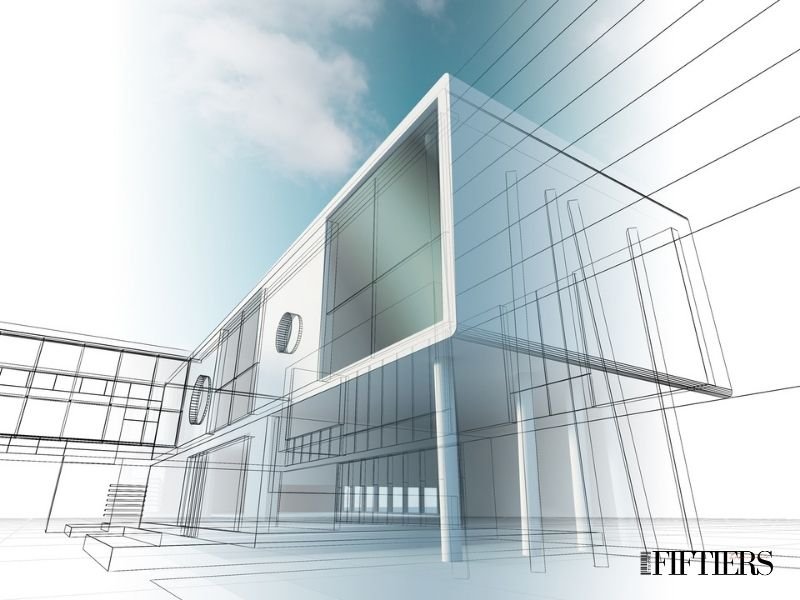

For decades, the conversation around ageing well focused almost exclusively on genetics, medicine, and individual habits. Eat better. Move more. Sleep well. All of that still matters. But a powerful reality is now coming into sharper focus: the environments we live in directly shape how we age. Homes, neighbourhoods, buildings, and cities are not neutral backdrops. They act as a silent technology that can either extend—or restrict—our independence over time.
For FIFTIERS, people over 50 who see this stage of life as a new beginning, environmental design becomes a strategic ally for living longer with freedom, autonomy, and quality of life.
Space as a Driver of Independence
After 50, decisions tend to become more deliberate. We choose where we live, how we move, and what experiences we prioritise with greater intention. Yet we rarely consider that poorly designed homes can quietly accelerate dependency, while well-designed environments extend independent living without the need for medical intervention.
A home with unnecessary steps, narrow corridors, or inadequate lighting doesn’t fail overnight. It fails gradually—through falls, insecurity, or the silent abandonment of spaces once enjoyed. Good design works in the opposite direction: it anticipates the future without making it visible, integrating subtle solutions that allow spaces to be used naturally year after year.
Universal Design: When Accessibility Feels Premium
One architectural approach aligns perfectly with the FIFTIERS mindset: universal design. Its principle is simple yet powerful—create spaces that work for all ages without looking clinical or “adapted.”
Step-free entrances that feel natural, walk-in showers with spa aesthetics, wider doors that convey openness, well-positioned switches, continuous non-glare lighting. These features deliver comfort today and security tomorrow. Their greatest advantage is that they are far easier—and more cost-effective—when integrated from the outset, whether in new builds or smart renovations.
This is where contemporary luxury is being redefined. It is no longer just about materials or square metres, but about living with foresight, without sacrificing beauty or character.
Cities Designed to Walk, Live, and Connect
The home is only one part of the equation. Neighbourhoods and cities play a decisive role in how we age. Longevity-friendly cities are not necessarily futuristic or hyper-digital. They are, above all, walkable, readable, and human-scaled.
Continuous pavements, safe crossings, well-placed benches, natural shade, nearby shops, accessible transport. These elements invite people to go outside, move naturally, and maintain an active social life without effort. Walking stops being an exercise routine and becomes part of everyday living—and that distinction reshapes long-term physical and emotional health.
Urban environments that encourage spontaneous encounters—plazas, markets, cafés—also counter one of the greatest risks of later life: isolation. Urban design can protect mental wellbeing as much as physical health.
Discover more from FIFTIERS
Subscribe to get the latest posts sent to your email.
What's Your Reaction?