In 2026, a quiet but decisive transformation is reshaping global consumption patterns: adults aged 55 and over are strengthening their position as one of the most dynamic forces in travel and lifestyle spending. Far from outdated stereotypes, this generation combines financial stability, available time, and a strong appetite for meaningful experiences. The result is a sustained rise in expenditure across tourism, leisure, wellness, and family support.
Travel Is No Longer a Reward — It Is a Lifestyle
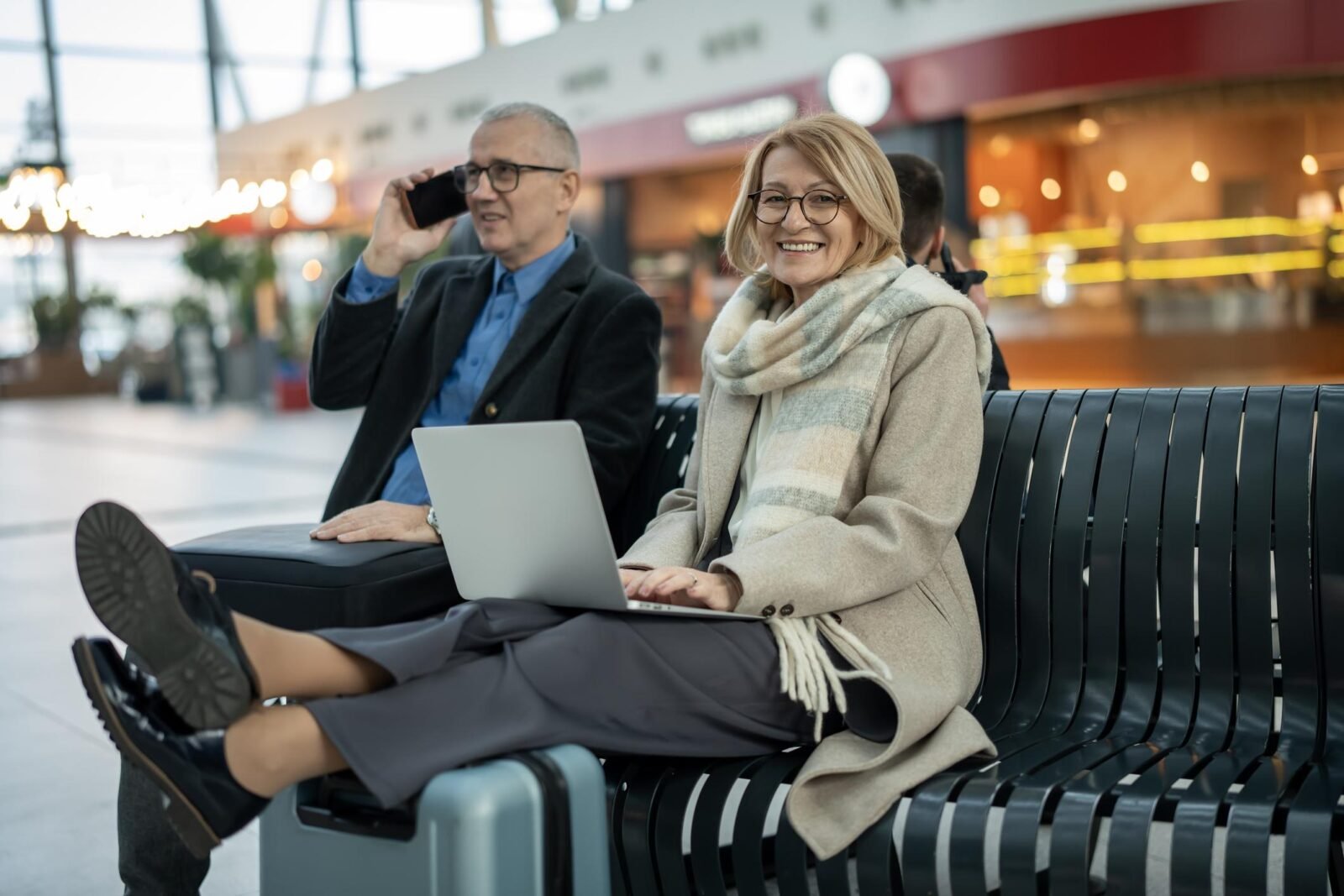
Today’s 55+ traveler no longer waits for retirement milestones to explore the world. Travel is woven into their annual rhythm. Instead of concentrating trips during peak summer months, they favor multiple getaways throughout the year, prioritizing quality, comfort, and authenticity.
European cultural capitals, gastronomic routes, premium cruises, nature escapes, and curated local experiences top their preferences. The motivation goes beyond relaxation. This generation seeks enrichment — learning, immersion, connection. Thematic travel has surged: art history tours, wine experiences, wellness retreats, and expert-led cultural journeys are increasingly popular.
Digital adoption has also erased former barriers. Most travelers in this age group book online, compare destinations through platforms, manage itineraries via apps, and share experiences on social media. Technology empowers them to design tailor-made journeys with confidence.
Experiences Over Possessions
Spending habits among adults over 55 are shifting decisively toward experiential consumption. Dining at quality restaurants, attending concerts and cultural performances, enrolling in courses, and investing in personal development have become priorities.
Wellness occupies a central place in this evolution. Preventive health programs, longevity retreats, personalized fitness plans, and medical spa experiences reflect a proactive approach to aging. The objective is not merely extending lifespan, but enhancing vitality, autonomy, and enjoyment.
A Silent Pillar of Intergenerational Support
Another defining feature of this demographic is its role in supporting younger generations. Many individuals in this age group continue to provide financial assistance to children and grandchildren — from housing and education to entrepreneurial projects. This intergenerational dynamic stabilizes households and indirectly fuels broader economic activity.
The so-called “silver economy” does not simply consume; it redistributes capital, strengthens family networks, and contributes to long-term economic resilience.
The Tourism Industry Responds
Destinations and hospitality brands are increasingly adapting their offerings. Larger rooms, curated cultural programs, wellness integration, healthy gastronomy, and accessible infrastructure are becoming competitive differentiators.
Countries with well-developed active aging strategies, such as Spain, Portugal, and Italy, are seeing a natural alignment between tourism, healthcare, and cultural heritage. Mature travelers are not primarily seeking discounts; they seek excellence, safety, and personalization.
A Structural Shift, Not a Temporary Trend
The expansion of 55+ consumption in 2026 is rooted in demographic reality. Rising life expectancy and healthier aging across Europe and other developed regions are creating a large, active, and financially stable cohort.
For businesses, overlooking this segment means ignoring one of the most loyal and economically resilient audiences. For society, it requires abandoning outdated narratives about aging. This generation is not retreating — it is expanding its horizons.
In 2026, adults over 55 are not simply traveling more; they are redefining how later life is lived. Experience becomes economic momentum, and age evolves from a limitation into a strategic advantage in a world increasingly shaped by longevity.