



Strength, Protein and Light: the new longevity triad after 50


From the age of 50 onward, health is no longer defined merely by the absence of illness. It evolves into a broader ambition: functional capacity, independence and sustained quality of life over time. Within this new framework, three factors are emerging as pillars of active longevity: muscular strength, adequate protein intake and the proper alignment of our biological clock through light.
This article explores how these three elements reinforce each other and why they offer a clear roadmap for anyone who wants to move into the coming decades with energy, mobility and mental clarity.
Muscular strength as a window into future independence
For many years, the decline in strength was considered an unavoidable consequence of aging. Today, research tells a different story. Strength is one of the most reliable indicators of overall health in adults over 50, often outperforming body weight or body mass index as a predictor of future wellbeing.
One of the most widely used measures is handgrip strength. Although simple, it reflects much more than hand function alone: it mirrors the condition of the neuromuscular system, overall physical reserve and the body’s ability to cope with physical stress.
A gradual loss of strength is associated with a higher risk of falls, reduced autonomy, metabolic decline and lower resilience in the face of illness. The encouraging reality is that strength can be improved at any age, even in people who have never trained before.
Strength training after 50: a long-term investment
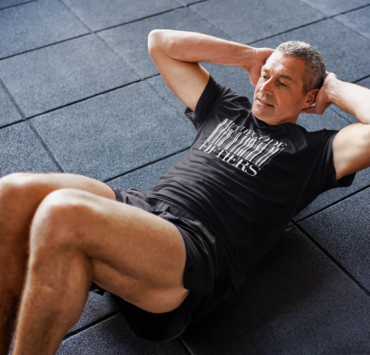
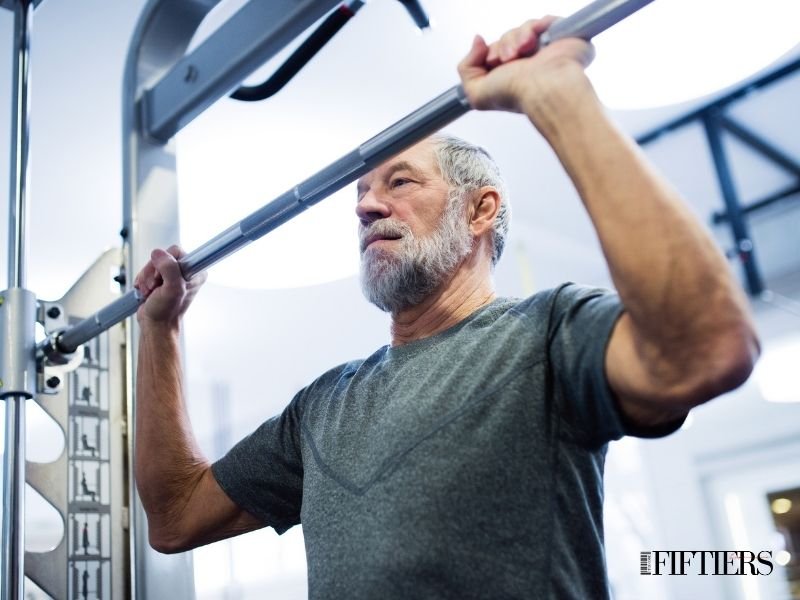
Far from being an activity reserved for younger generations or athletes, strength training has become a core tool for prevention and wellbeing in later adulthood. The goal is not maximal loads, but progressive, well-structured stimuli that keep muscles, bones and the nervous system engaged.
A well-designed program, performed two or three times per week, can:
-
Preserve muscle mass and bone density
-
Improve balance and coordination
-
Enhance metabolic efficiency
-
Reduce the risk of functional dependence
Strength acts as a physical reserve, allowing the body to cope better with unexpected challenges, from falls to periods of illness or hospitalization.
Protein: the underestimated ally of mature health
Discover more from FIFTIERS
Subscribe to get the latest posts sent to your email.
What's Your Reaction?