Singapore has taken another step forward in its long-term vision for active ageing with the advancement of the Healthy & Meaningful Longevity (HML) initiative, embedded within the National Innovation Challenge on Active and Confident Ageing. This new phase reinforces the country’s ambition to position itself as a global testbed for longevity solutions, combining biomedical research, technological innovation, and forward-looking public policy designed to keep older adults active, independent, and socially engaged.
Backed by the Ministry of Health and Singapore’s robust scientific ecosystem, the programme includes funding calls that can reach up to S$5 million per project under selected grant tracks. The emphasis is not only on research but on translating validated innovations into real-world settings, measuring clinical and social outcomes, and demonstrating sustainable financial models within dense urban communities. Key priorities include cognitive decline, physical frailty, fall prevention, caregiver support, and next-generation home-based care models.
Cognitive health is a central pillar. Singapore aims to anticipate the projected rise in dementia and neurodegenerative conditions across Asia through early diagnostics, digital interventions, and structured family support frameworks. At the same time, the frailty-focused initiatives promote multidisciplinary programmes that integrate supervised exercise, personalized nutrition, and remote monitoring supported by digital health tools.
These developments unfold against a clear demographic trajectory: the proportion of citizens aged 65 and above is set to expand rapidly over the coming decade. Policymakers increasingly recognize that longevity must be measured not only in years lived, but in years lived with autonomy, dignity, and purpose. The concept of “meaningful” ageing therefore underpins the entire programme architecture.
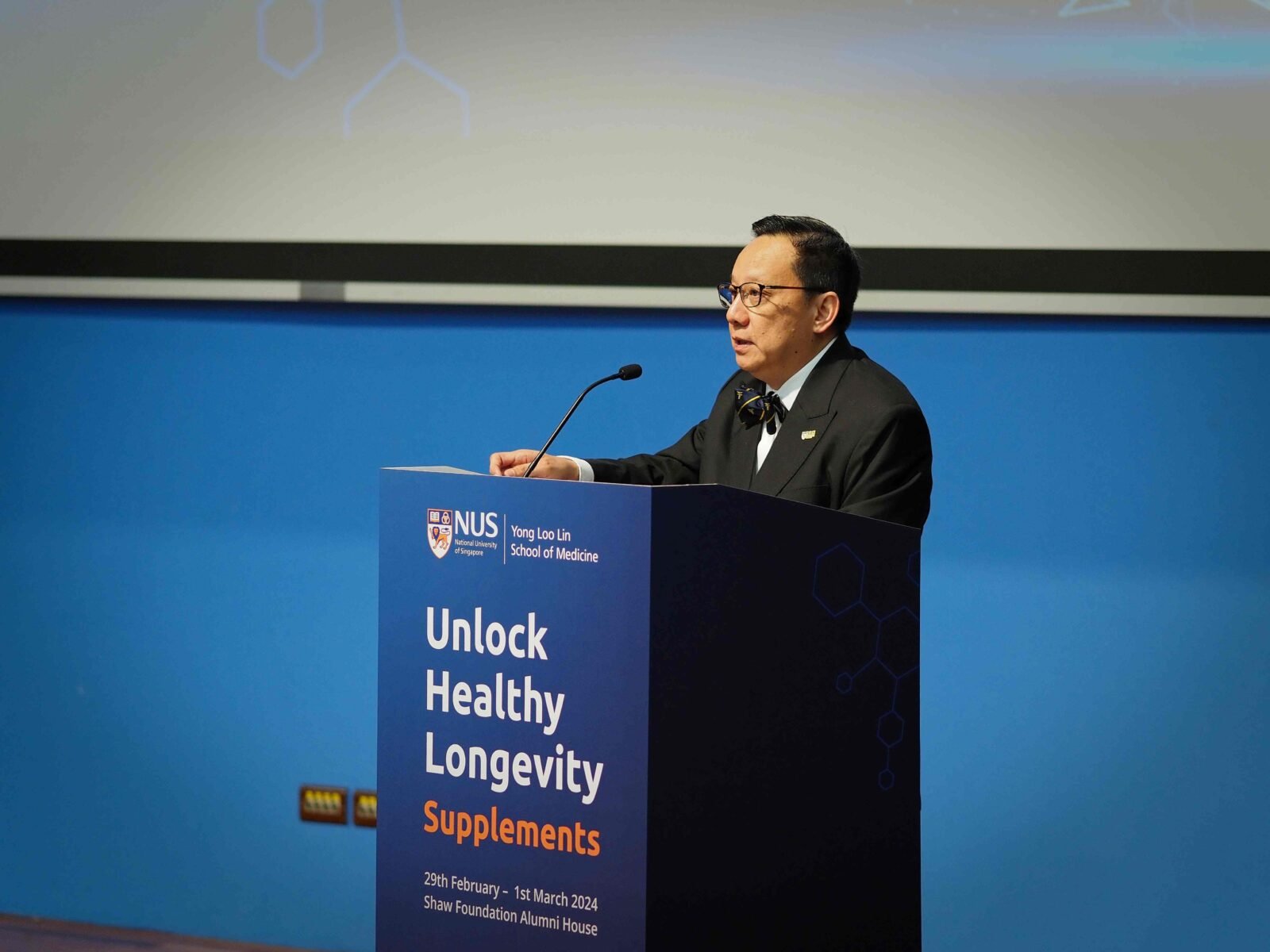
Scientific strategy is reinforced through international gatherings such as the Singapore Conference on Ageing & Health, which brings together researchers, policymakers, healthcare leaders, and innovation-driven companies. These forums accelerate knowledge transfer and foster public–private partnerships across biotechnology, artificial intelligence in healthcare, medical devices, and preventive medicine.
From a broader silver economy perspective, Singapore’s positioning is deliberate. The country seeks to establish itself as an Asian hub for scalable longevity solutions that can be exported to markets facing similar demographic shifts. This creates opportunities across digital health, premium wellness, senior-focused tourism, adaptive urban design, and digitally enabled companionship services.
For international stakeholders — including investors, clinics, health-tech startups, and hospital groups — the HML initiative offers a structured platform to pilot solutions, validate outcome metrics, and access competitive funding within a stable regulatory environment.
The underlying message is clear: longevity is no longer framed solely as a healthcare challenge, but as a cross-sector innovation driver that reshapes housing, mobility, leisure, lifelong learning, and social participation. Singapore is crafting a model that merges data, applied science, and strategic foresight — a model that may well anticipate how advanced economies approach ageing in the decades ahead.
In a global context where the number of people aged 60 and over will continue to rise sharply, initiatives such as this signal a paradigm shift: later life not as a phase of decline, but as an active, connected, and opportunity-rich chapter of human development.