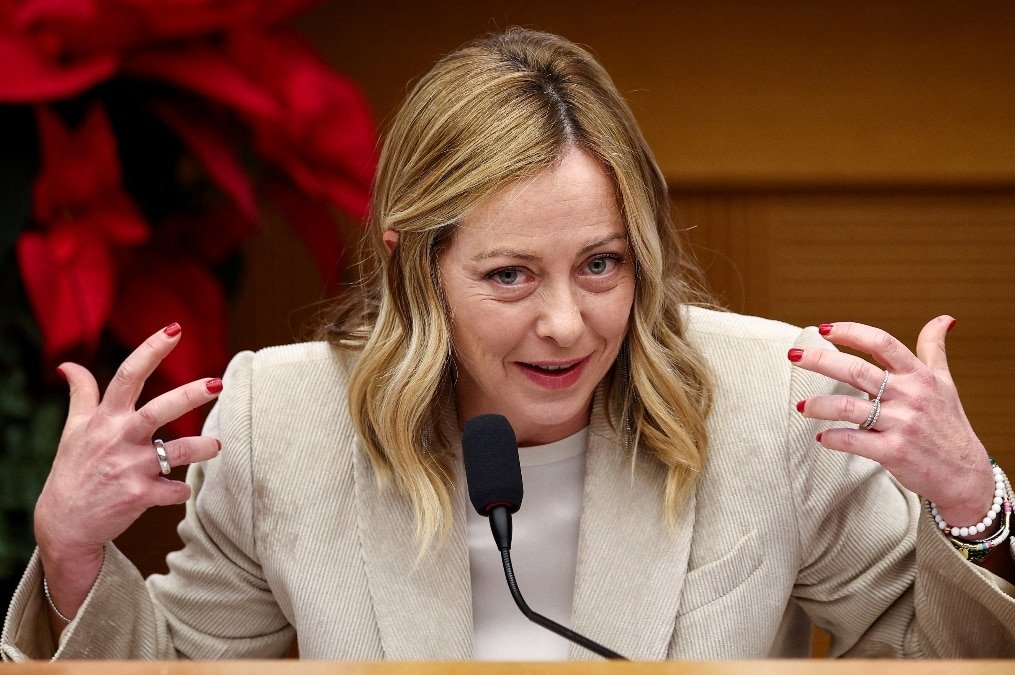
Italy has once again moved to the center of Europe’s political and economic conversation after reports surfaced that the government had evaluated —at least internally— the possibility of freezing the legal retirement age at 67. The news, initially published by international financial outlets, triggered an intense national debate, even though Prime Minister Giorgia Meloni later denied that her administration had formally considered such a measure.
For the FIFTIERS generation—professionals over 50 who closely follow the evolution of labor trends and retirement models across Europe—Italy’s situation is a clear illustration of the new balance governments must strike between financial sustainability, demographic ageing, and longer active working lives.
A Debate That Reflects an Ageing Nation
Italy is one of the world’s longest-living countries and has one of Europe’s lowest birth rates. This creates strong pressure on its pension system, which depends on a delicate balance between contributors and retirees.
Freezing the retirement age would temporarily halt the planned increases tied to rising life expectancy. However, experts warn that such a move could add billions to public spending and further strain Italy’s already high public debt—one of the largest in the eurozone.
Meloni Denies Plans, But the Discussion Is Not Going Away
Shortly after the news circulated, Meloni stated that the government has not discussed freezing the legal retirement age. Still, the fact that the issue surfaced during budget negotiations shows an undeniable reality:
Italy needs a modern, stable reform adapted to its demographic future.
For international observers, even the idea of evaluating such a proposal suggests how European governments are navigating sensitive decisions with one eye on financial markets and the other on electoral dynamics.
Political and Electoral Implications
This debate is not merely technical; it is highly political. Keeping the retirement age at 67 could be perceived as a gesture toward older workers who are wary of any increase in mandatory working years. In a fragmented political landscape, any decision affecting millions becomes complex.
Unions argue for more flexible early-retirement options and greater protection for those in physically demanding jobs. Meanwhile, economists insist that Italy must maintain structural reforms to preserve investor confidence.
What the FIFTIERS Generation Can Learn
For those of us over 50, Italy’s situation offers several key insights:
-
Longevity is reshaping pension policy across all of Europe.
-
Senior professionals will increasingly shape economic activity.
-
Governments are searching for ways to extend working lives without reducing quality of life.
-
Retirement decisions will become more flexible and personalized, moving away from the rigid models of the past.
In a continent ageing at record speed, Italy has simply opened the first chapter of a debate that will extend across Europe in the coming years. For the FIFTIERS generation—healthy, active, and eager to contribute—these developments are a reminder to prepare for a longer professional journey, one that also brings new possibilities and greater freedom.