The U.S. senior housing market is entering a renewed expansion phase. In recent weeks, major healthcare-focused real estate investment trusts have executed strategic acquisitions and structural reorganizations that point to growing confidence in the sector.
Among the most notable moves, National Health Investors (NHI) acquired nine senior housing properties for approximately $105.5 million. The transaction strengthens its exposure to the Senior Housing Operating Portfolio (SHOP) model, which allows investors to participate directly in operational upside tied to occupancy and management performance.
At the same time, LTC Properties announced the purchase of three senior communities in the Atlanta area for nearly $108 million. Traditionally focused on triple-net leased assets, the company has rapidly expanded its SHOP exposure, targeting high-occupancy communities operated by experienced management teams.
Meanwhile, Healthpeak Properties has restructured its senior housing portfolio by creating Janus Living, a dedicated entity focused exclusively on senior housing under a RIDEA structure. With more than 10,000 units across 34 communities, the new platform is designed to capture operational growth in a market showing improving margins and pricing power.
What Is Driving This Momentum?
After several challenging years marked by pandemic disruptions, rising labor costs, and higher interest rates, senior living is regaining stability:
-
Occupancy levels are steadily recovering across independent living and assisted living segments.
-
Operators are demonstrating stronger pricing discipline.
-
Demographics are becoming increasingly favorable, as the U.S. population aged 75 and over expands rapidly throughout this decade.
The operational model offers greater exposure to revenue growth compared to traditional fixed-rent structures. While this approach entails higher management involvement, it also provides enhanced return potential during recovery cycles.
What It Means for the 50+ Generation
For FIFTIERS readers, these developments are more than financial transactions. They signal a broader transformation in how later-life housing is conceived and delivered.
Today’s senior communities increasingly emphasize:
-
Preventive health and active longevity programs
-
Cultural, educational, and intellectual engagement
-
Personalized services and integrated monitoring technologies
-
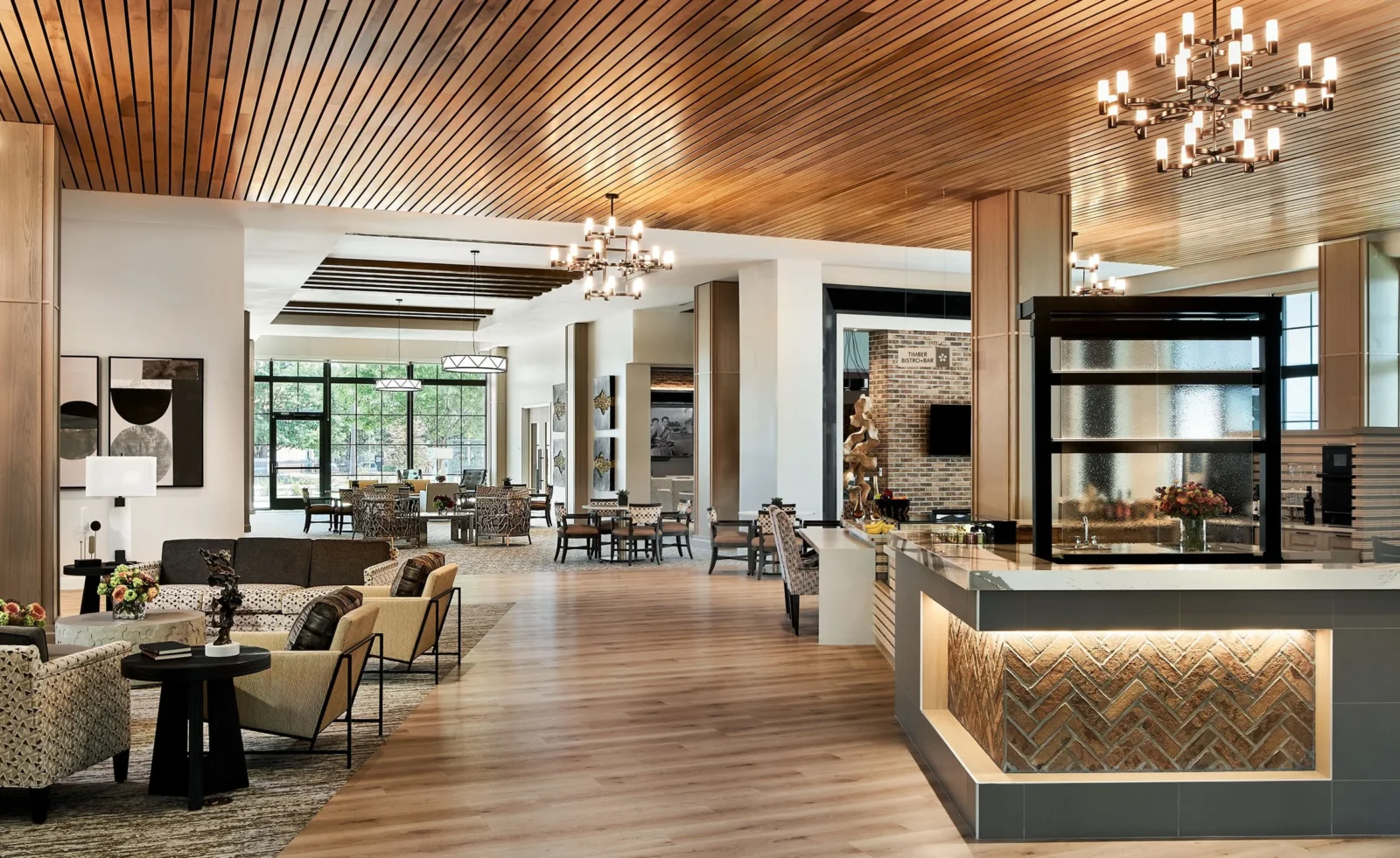
Architecture designed for autonomy, connection, and purpose
Senior housing is evolving into a hybrid ecosystem that blends premium residential living, wellness infrastructure, and social capital. Institutional investors are positioning themselves ahead of this structural shift.
The Longevity Economy Gains Structural Backing
The renewed capital inflow reinforces a forward-looking thesis: population aging is not merely a demographic challenge, but a powerful economic engine. Senior housing is transitioning from a defensive asset class into a growth-oriented segment aligned with the expanding longevity economy.
For entrepreneurs, operators, and brands targeting the 50+ audience, this environment opens opportunities in:
-
Preventive healthcare and wellness services
-
Lifelong learning and reinvention programs within communities
-
Age-friendly certifications and quality benchmarks
-
Strategic partnerships between media platforms and residential operators
The message is clear: the next chapter of longevity is being built not only through medical advances, but through infrastructure, investment, and lifestyle innovation.
For the FIFTIERS generation, the future of aging is increasingly defined by choice, design, and long-term strategic capital.