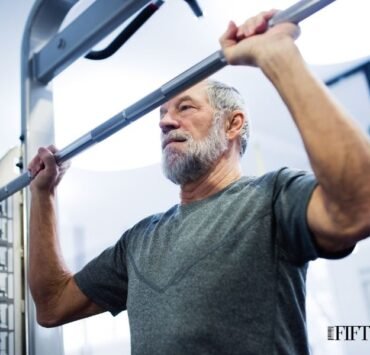
In the coming years, the idea of “getting fit” will be redefined for millions of people over 50. It will no longer be about gym memberships, long sessions, or rigid routines. The future of movement is brief, accessible, seamlessly embedded into daily life—and, above all, designed to last.
A randomized controlled clinical trial published on January 5, 2026 in the scientific journal Frontiers in Medicine points clearly in that direction. The study shows that very short daily bouts of exercise—just a few minutes at a time—can improve physical function and independence in adults aged 65 to 80, without equipment or in-person supervision.
The concept: “exercise snacking”
The name may sound casual, but the evidence behind it is robust. Exercise snacking breaks physical activity into small “movement bites” spread throughout the day. Instead of one long workout, participants complete two brief sessions per day, around nine minutes each, focused on functional strength and mobility.
Standing up from a chair, step-ups, balance work, and large muscle activation using body weight. Simple, repeatable movements that fit naturally into any home environment.
A study designed for real life
The trial was conducted entirely remotely, using smartphone videos to deliver clear instructions and digital follow-up. Over 28 days, participants exercised at home—no travel, no complex technology, no disruption to daily routines.
Adherence was remarkably high, close to 90%, a rare outcome in exercise programs for this age group. Participants also reported strong enjoyment and a clear sense of improvement in everyday abilities: standing up more easily, walking with greater confidence, and moving with increased stability.
All of this occurred with minimal adverse events and a perceived effort level that participants found manageable—an important indicator of long-term sustainability.
Beyond fitness: independence and quality of life
For the FIFTIERS generation, exercise is not about aesthetics or competition. It is about autonomy. The ability to travel, work, care for others, enjoy leisure, and move through life without fear.
This approach reflects a modern vision of active aging: less emphasis on performance metrics and more focus on everyday functionality. The goal is not to do more, but to move better—for longer.
Technology as a quiet ally
One of the most compelling aspects of the study is its fully digital delivery. The smartphone becomes a coach, a reminder, and a companion—without intrusion, pressure, or judgment.
This model opens the door to hybrid programs that combine physiotherapy, professional oversight, and personalized digital content, scalable to entire communities while maintaining a human touch.
What comes next
Everything suggests that protocols like this will soon be integrated into preventive health strategies, insurance programs, residential communities, and wellbeing platforms designed for people over 50.
At FIFTIERS, we see this approach as a preview of a new normal: move a little, every day; no heroics, just consistency; no grand promises, just changes you can feel in daily life.
The future of wellbeing will not be loud or spectacular. It will be discreet, habitual, and deeply human. And it may begin with just nine minutes.