The prevention of dementia has just taken an unexpected turn. Not in a cutting-edge laboratory or a university hospital, but through a tool millions of people use every day to stay in touch. A randomized clinical trial published in the Journal of Clinical Psychiatry shows that a six-month digital multidomain intervention delivered entirely via the messaging platform WeChat can improve cognitive performance and emotional well-being in adults over 60 at high risk of developing dementia.
This study does more than add scientific evidence; it redefines the very architecture of cognitive prevention. For decades, brain health programs have relied on face-to-face sessions, specialized equipment, or complex applications that struggle to sustain engagement over time. Here, the approach was radically different: bringing cognitive training and healthy lifestyle guidance directly into the digital environment people already inhabit.
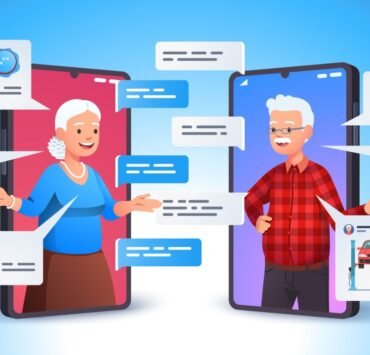
Participants received structured cognitive exercises, lifestyle education, and social stimulation straight to their mobile phones, seamlessly embedded into a familiar daily routine. There were no additional downloads, no new devices, and no technological hurdles. The smartphone, already an extension of everyday life, became a continuous channel for cognitive support.
The outcomes point to improvements in global cognition, assessed through standardized clinical tools, alongside gains in visuospatial memory and a reduction in perceived loneliness. Yet the most striking insight lies not only in test scores but in human behavior. More than 92 percent of participants completed the full program. In digital interventions aimed at older adults, this level of adherence is rare and challenges long-held assumptions about age and technology. The real barrier has never been age; it has been design.
The study illustrates that when technology aligns with existing habits, engagement follows naturally. Instead of teaching older adults how to use new platforms, it transforms the platforms they already use into vehicles for preventive health. Messaging, traditionally seen as a social or informal tool, quietly evolves into an infrastructure for cognitive care.
From a forward-looking perspective, the implications are profound. Dementia prevention shifts from a sporadic intervention to a continuous, discreet process adapted to each person’s rhythm of life. This model enables large-scale deployment of active aging programs without overwhelming healthcare systems, lowers operational costs, and opens the door to personalized interventions grounded in real-world usage data.
The impact extends beyond brain health. The observed reduction in loneliness highlights a broader social benefit. In an era of rapid population aging, where isolation represents one of the greatest challenges for mature societies, embedding cognitive and social stimulation into everyday digital tools could reshape quality of life beyond the age of 50.
For the FIFTIERS universe, this research reinforces a core idea: the longevity of the future will not be built solely on biomedical breakthroughs, but on intelligent solutions that accompany people day after day, year after year. Innovation is no longer about adding more technology, but about giving purpose to what is already woven into daily life.
Cognitive prevention is entering a new chapter: accessible, continuous, integrated, and deeply human. The future of the mind does not begin in a medical office. It begins on the screen we check every morning when the day starts.